Daniela Perez
BEHAVIOURAL ECOLOGY & EVOLUTION
Copyright: Artwork Felina Russ, Merz Akademie; Photo Elisabeth Böker, CASCB, Universität Konstanz
Copyright: Artwork Felina Russ, Merz Akademie; Photo Elisabeth Böker, CASCB, Universität Konstanz
I’m a principal investigator at Bielefeld University fascinated by the mesmerising diversity of animal behaviours that we see in nature.
Animal behaviour emerges from the interaction between individuals and their social and ecological environments. Yet animals rarely behave in a single, fixed way: striking differences can occur between species, among populations, and even among and within individuals living under similar conditions. Understanding the evolutionary processes that generate and maintain behavioural diversity is at the core of my research.
More specifically, I study how social interactions, ecological conditions, and life-history traits shape the diversity of animal behaviours. I am particularly interested in situations where different behavioural strategies coexist, and in understanding why apparently competing or suboptimal strategies can persist rather than being replaced by a single optimal solution.
I combine comparative and experimental approaches to address these questions. Large-scale analyses draw on resources such as online databases, museum collections, and field observations to identify evolutionary patterns across species and populations. I complement these macroevolutionary approaches with field and laboratory experiments that manipulate social or ecological conditions, allowing me to test the mechanisms underlying behavioural variation and assess its adaptive meaning.
Using model study systems, my research is united by a broader question: how does behavioural diversity arise, persist, and evolve when individuals are embedded in complex social and ecological environments? Rather than treating variation as simply noise around an evolutionary optimum, I aim to understand when behavioural differences themselves become an important product of evolution.
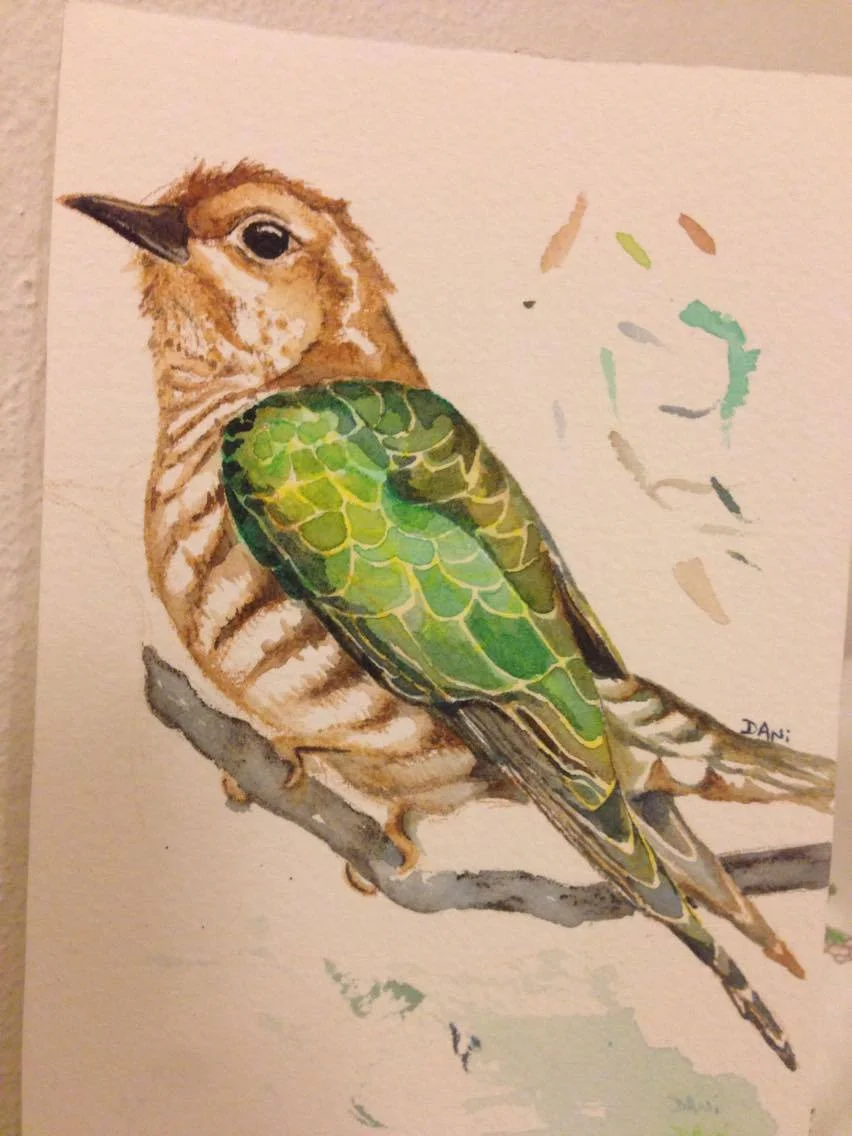
I also have a strong interest in communicating science beyond academia. I use illustration and other forms of visual art to make scientific ideas accessible to wider audiences and to explore new ways of connecting scientific research with the public.
If you are interested in these questions, or in related aspects of behavioural ecology and evolution, and would like to discuss opportunities to join the lab, please get in touch.
Fiddler crab female choice experiment using robotic crabs. PRESS PLAY!

Chiroxiphia caudata males displaying to a female Photo credit: LECO
One line of my research focuses on the evolution of sexual signals and courtship behaviour. I investigate how sexual selection can generate diversity in courtship displays, including differences in the organisation and coordination of complex displays within and among species. A complementary line of research examines cooperation and competition, asking how alternative strategies can coexist when individuals and groups face different costs and benefits.
Bird species that display in Lek are under substantial pressure to attract the opposite sex and display extravagant courtship signals. We have recently identified that males and females display syntax across species and that more elaborate displays are more organised. We investigate this dynamics at the species level in Chiroxiphia caudata and across a global set of Lek bird species.
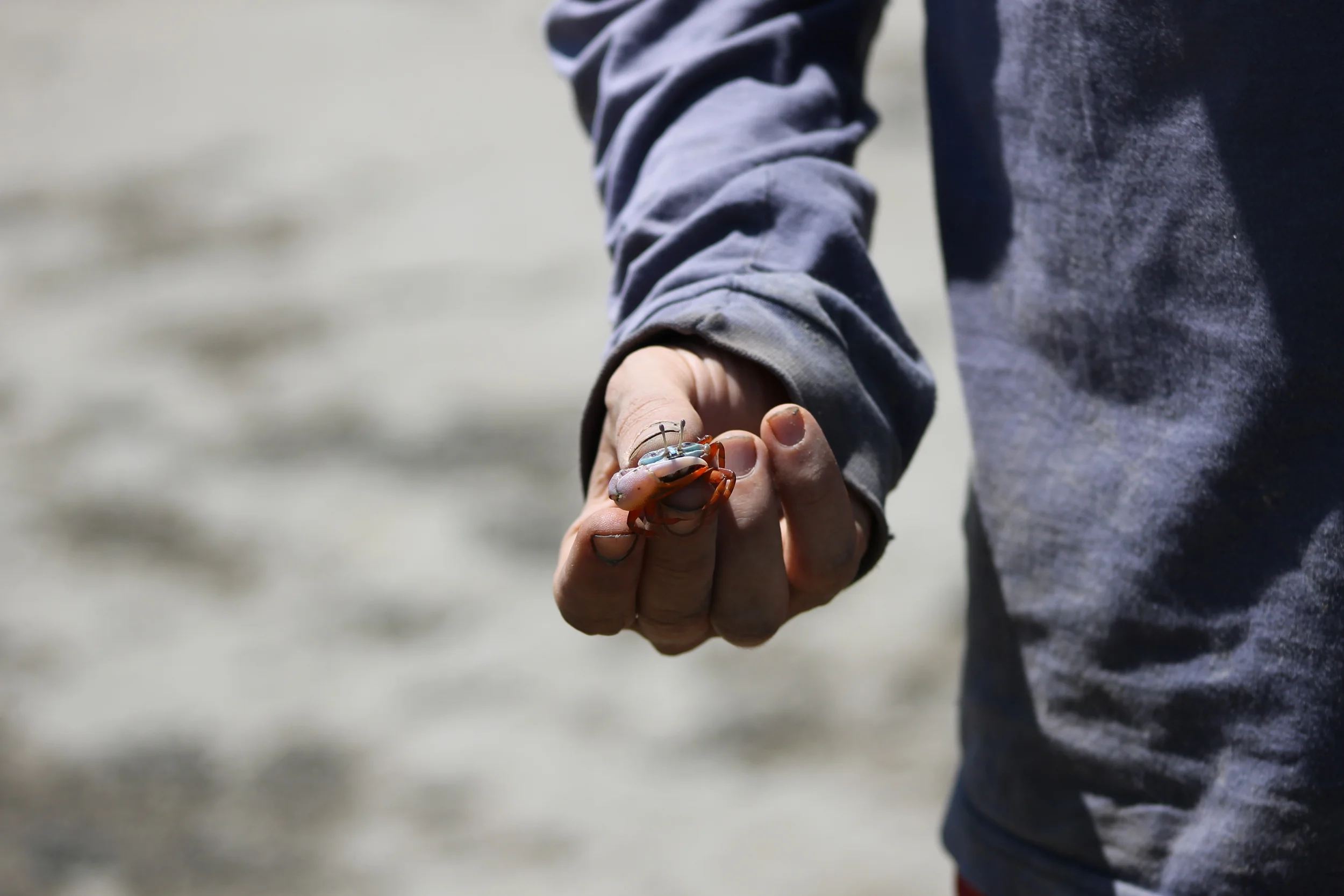
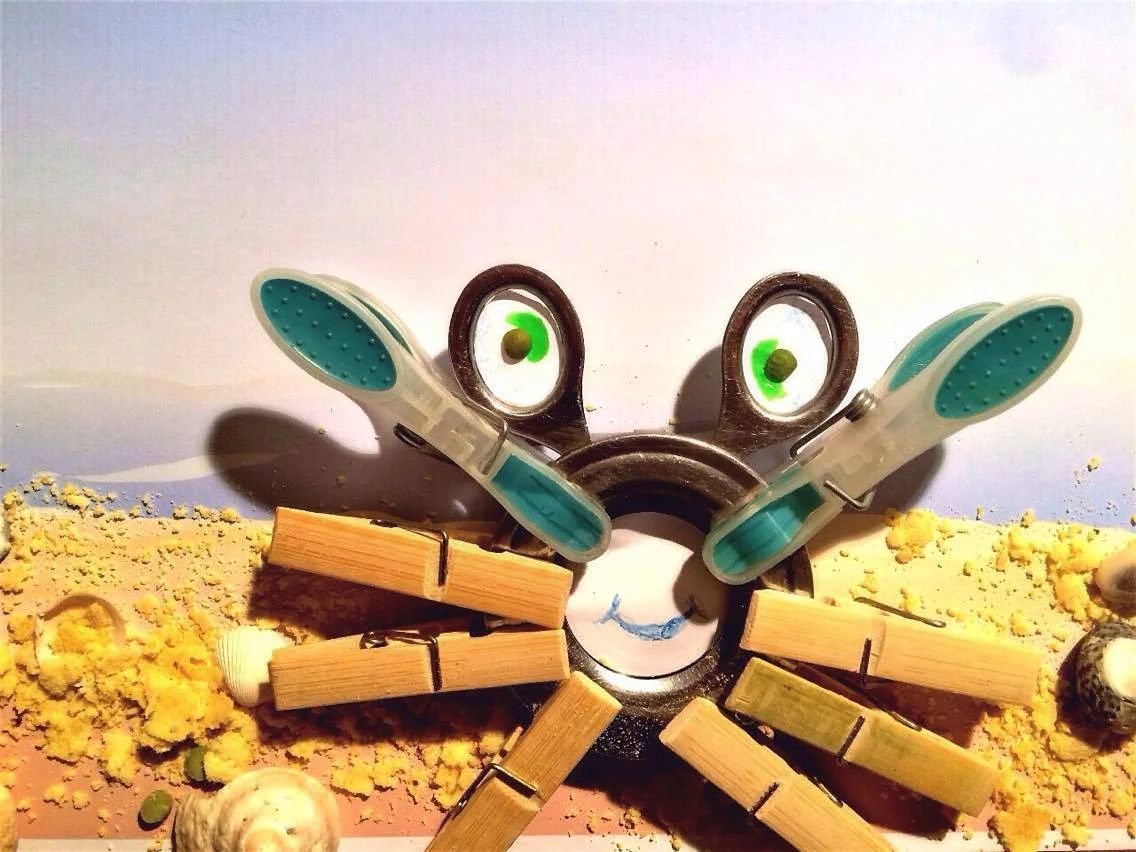
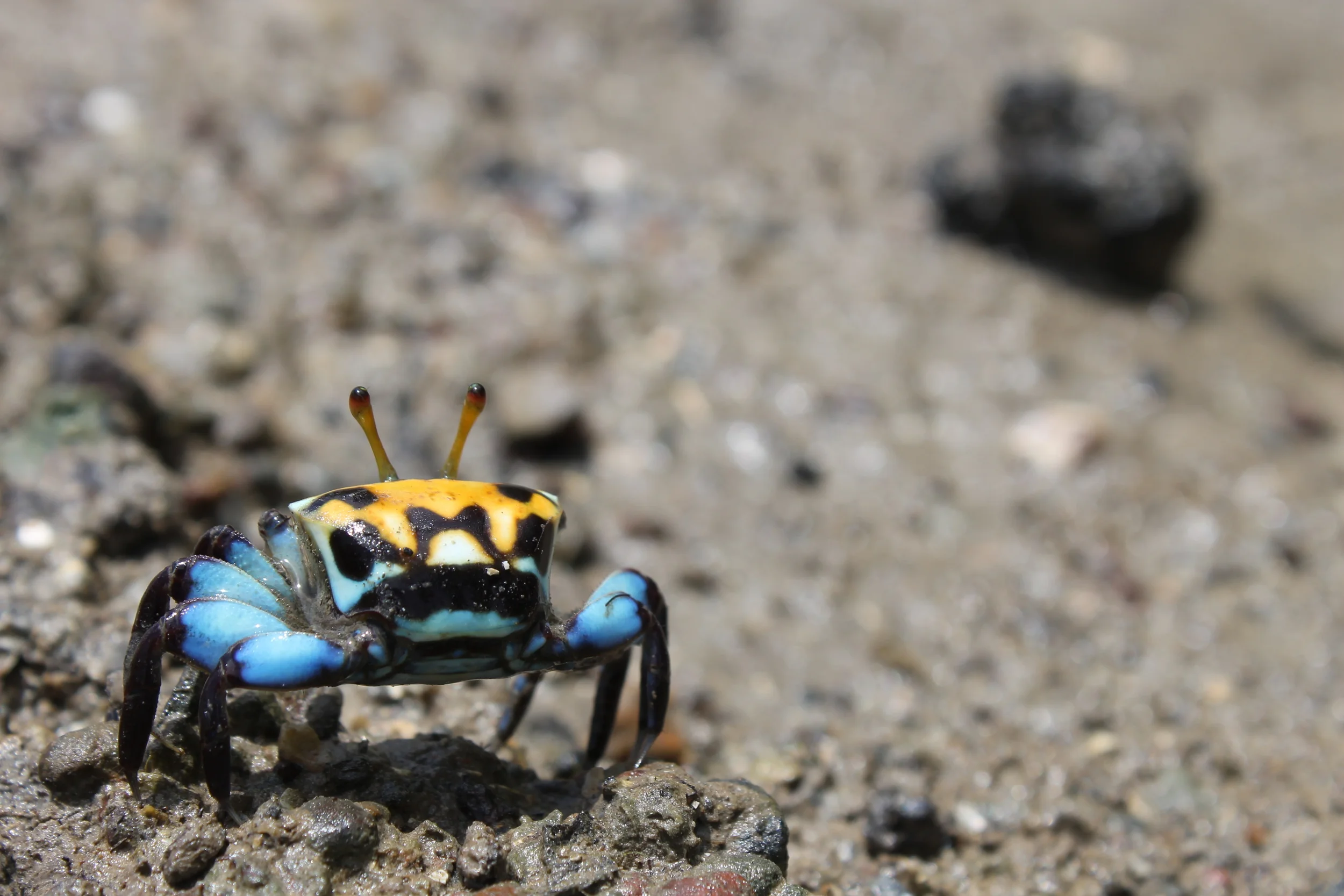
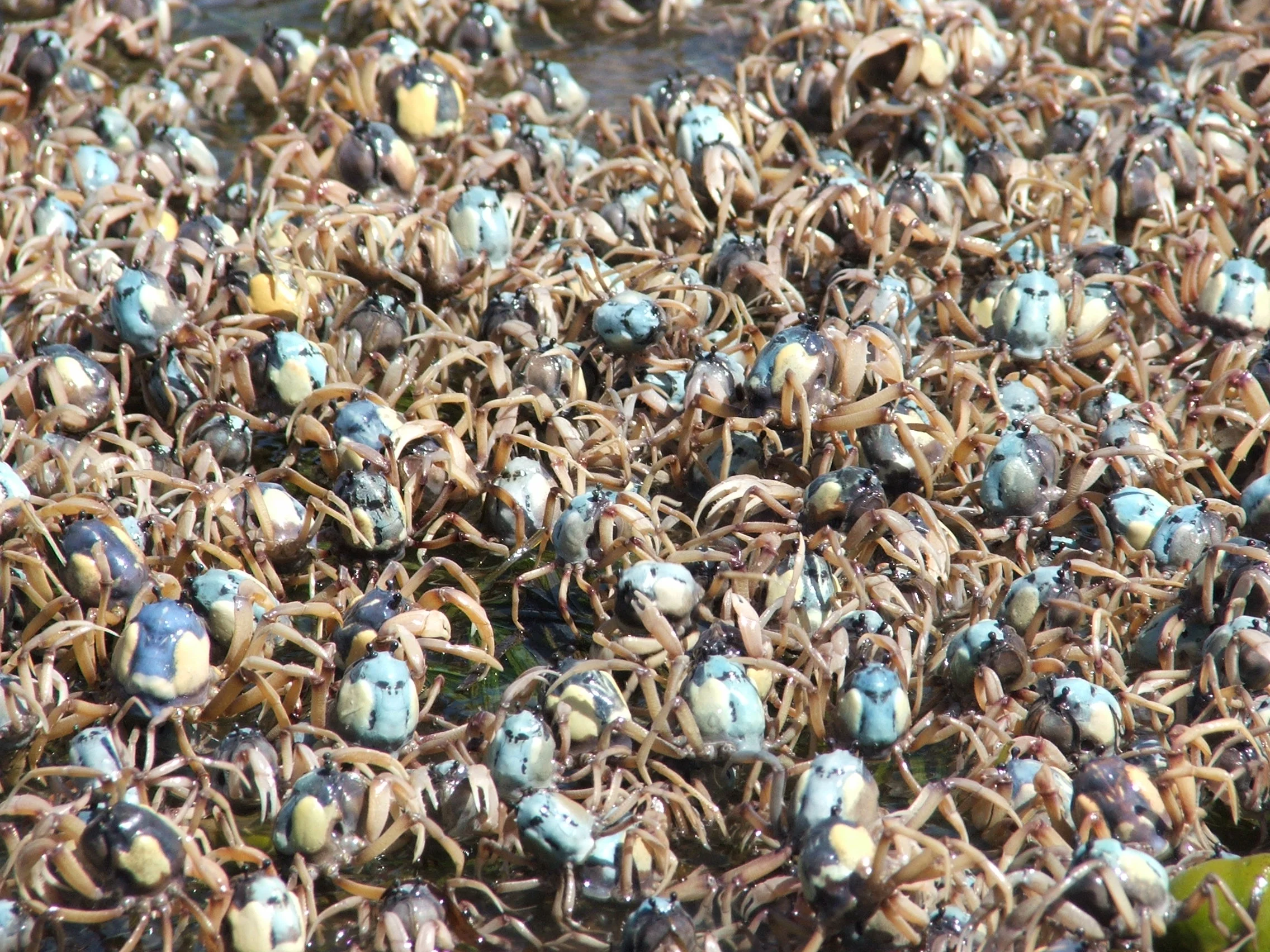
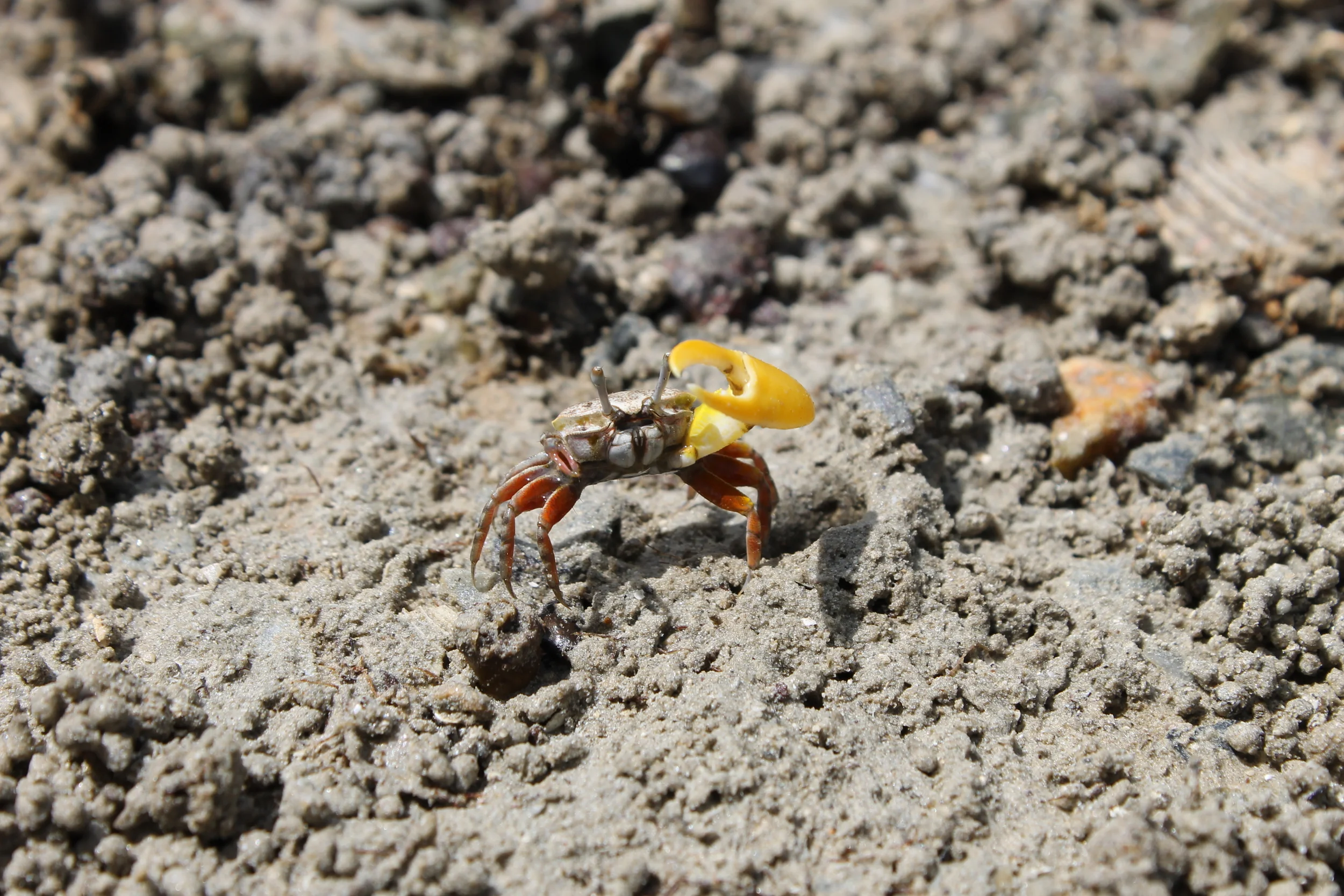
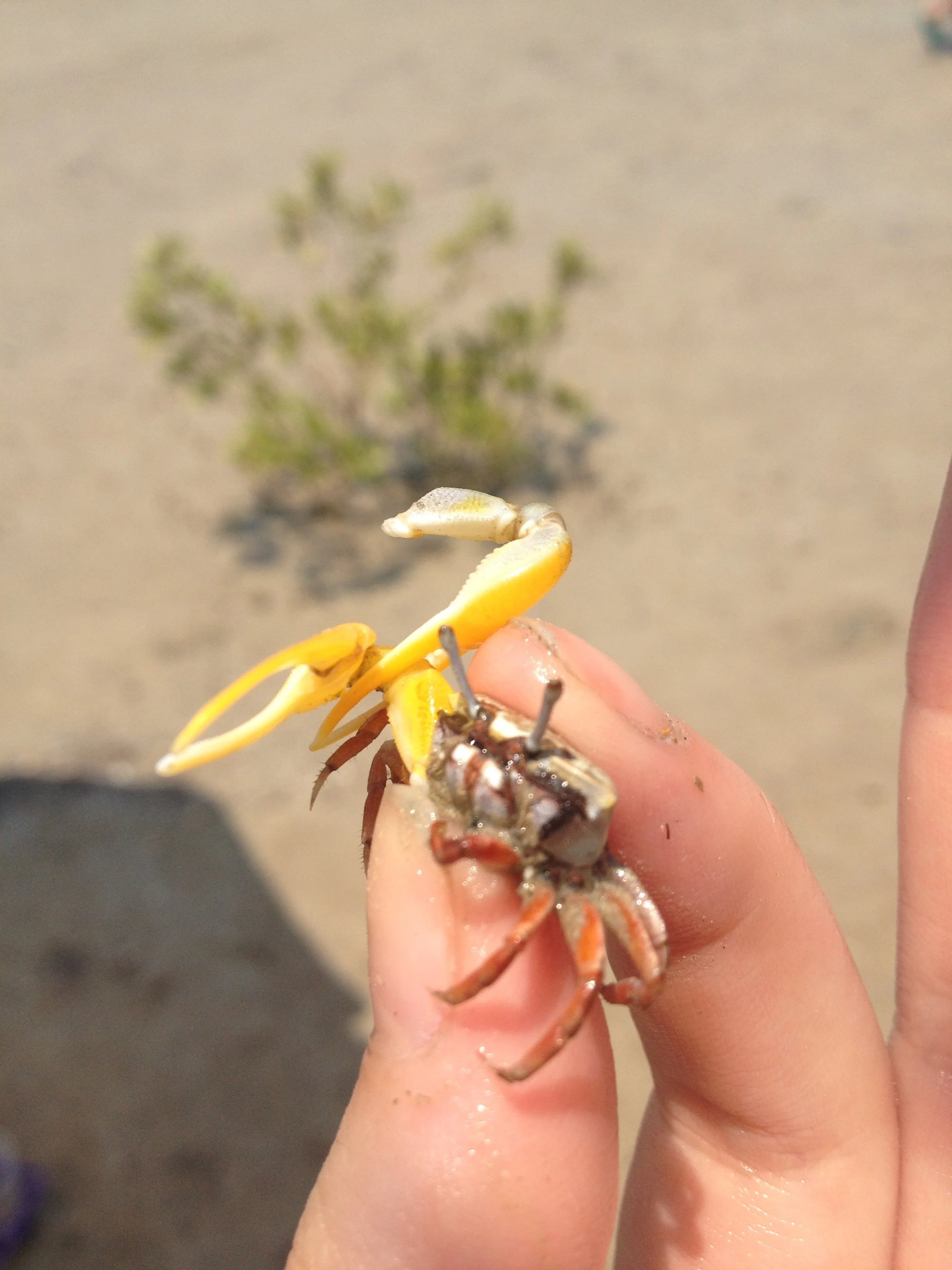
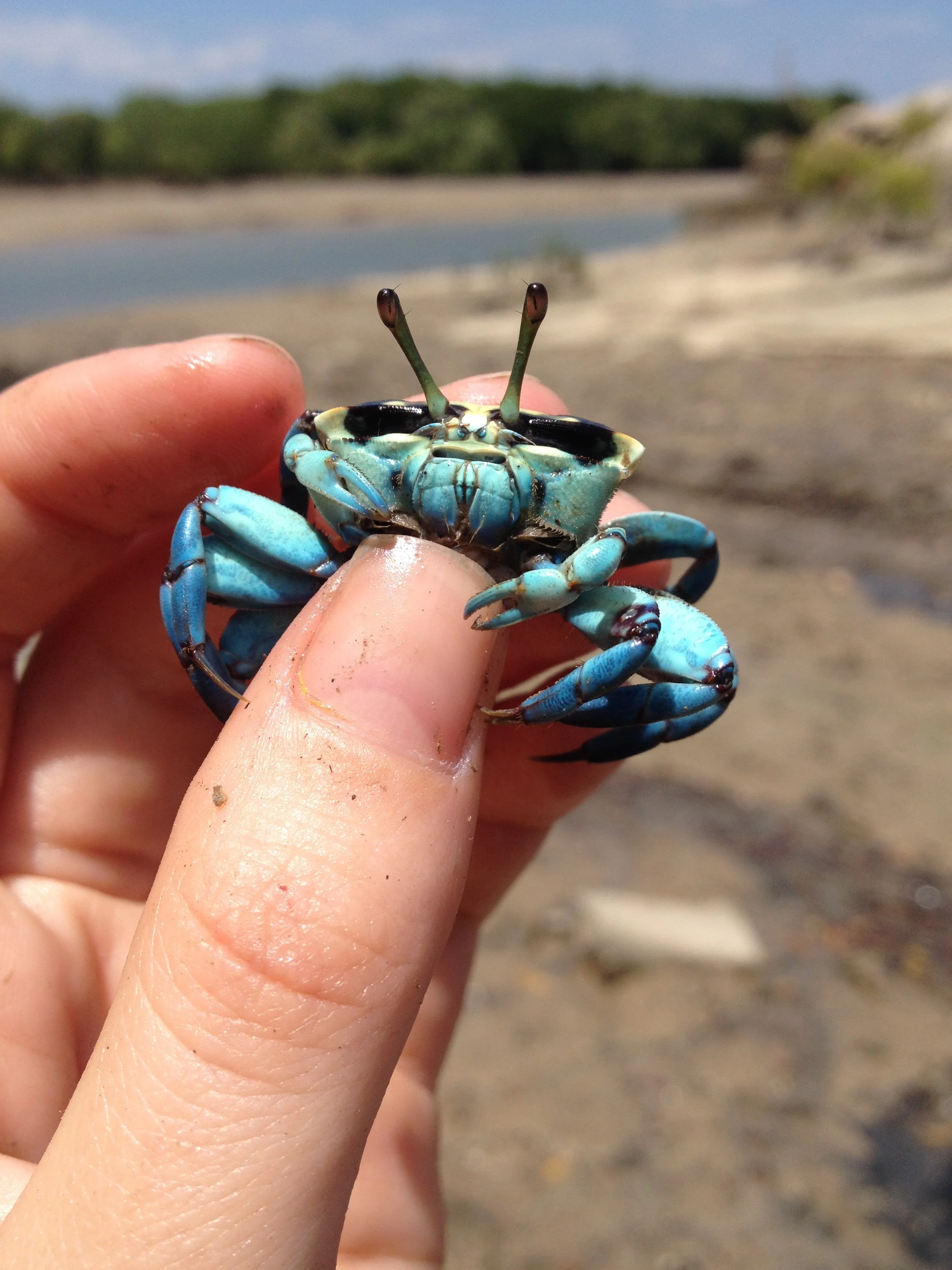
Fiddler crabs also have a great diversity of courtship displays. My work examines male–male agonistic interactions, female mate preferences, and species recognition. Many of these studies employ robotic crabs to experimentally manipulate courtship behaviours and test female preferences.
CURRENT COLLABORATIONS: RAFAEL FRATONI, LILIAN MANICA, SABRINA ARAUJO, KARLA BATISTA, MILENA IELEN
Video abstract on our first worm tower paper. Credits: Imran Razik
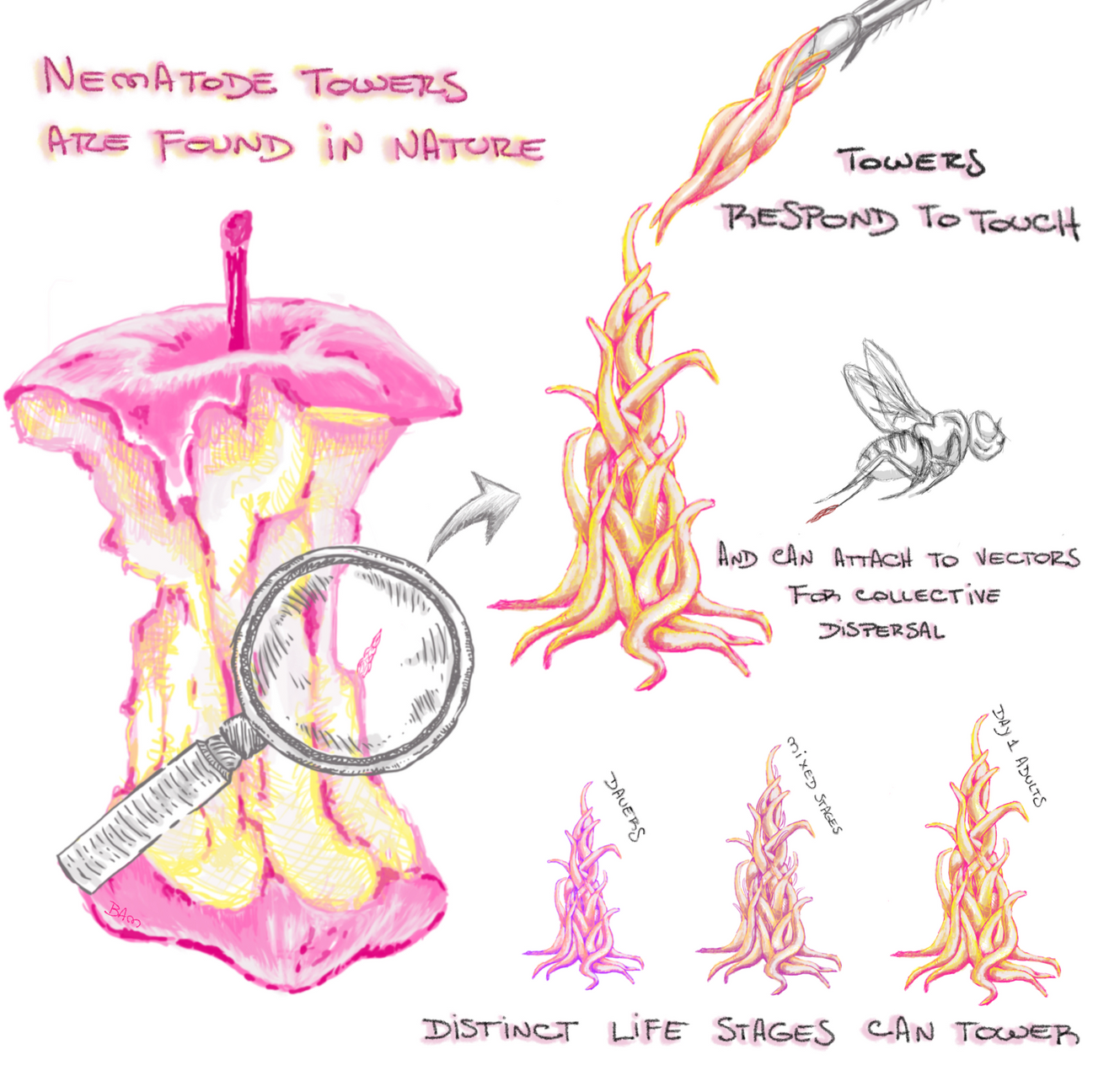
More recently, I have extended my research questions to collective behaviour and dispersal. My current research investigates how social interactions and ecological conditions shape variation in dispersal strategies, using nematodes as a model system. In particular, I study distinct dispersal strategies that coexist within populations, including collective behaviours such as the formation of worm towers. I ask why individuals adopt one strategy over another, and how social and environmental conditions influence these decisions. By investigating the costs and benefits associated with alternative strategies, this work aims to understand why behavioural variation in dispersal persists and how individual decisions can give rise to collective patterns of behaviour.
I am currently hiring a postdoc to tackle this topic of research. See link for online applications.
CURRENT COLLABORATION: SHREYA PATIL, SERENA DING, YOUNJAE KANG, NARCIS FONT MASSOT, RYAN GREENWAY, ASSAF PERTZELAN, THOMAS STIER
Extended phenotypes are a great way to quantify animal behaviour, and one of the best-known examples in animals is birds’ nests. I studied how nest building variation is related to ecological factors, such as climate and urbanisation.
I have been involved a series of studies on the evolution of animal colour. 1. Warning signals for anti-predator defences in shield bugs and frogs; II. Thermoregulation in ants; III. Species recognition and sexual selection in fiddler crabs

Birds’ nests collection from the Natural History Museum, Tring UK.

Illustration of our lovely manakins.

2021: Postdoctoral fellow and researcher, Max-Planck Institute of Animal Behavior. PI: Dr. Serena Ding
2020 - 2021: Postdoctoral fellow and researcher, Universidade Federal do Paraná. PI: Dr. Lilian Manica
2017 - 2019: Postdoctoral research assistant and officer, The Australian National University. PI: Prof. Patricia R. Y. Backwell
2013 – 2017: PhD; Evolution, Ecology & Genetics, The Australian National University. PI: Prof. Patricia R. Y. Backwell
2010 – 2012: Master of Science; Zoology, Universidade federal do Paraná, Brazil. PI: Dr. Marcio R. Pie
2005 – 2009: Bachelor of Science; Biological Sciences, Universidade Federal do Paraná, Brazil
2020: Universidade Federal do Paraná, Tutor, Macroevolution and Behavioural Ecology
2016-2017: Australian National University, Demonstrator, Biol1003: Evolution, Ecology & Genetics
2016-2017: Australian National University, Tutor, Biol3132: Field Studies of Behavioural Ecology
2016: Australian National University, Demonstrator, Biol1008: Human Biology
2011: Universidade Federal do Paraná, Undergraduate student instructor, A BZ025: Ecology II
2026 - current : Research Grant - Deutsche Forschungsgemeinschaft (DFG)
2024: Travel grant - Centre for the Advanced Study of Collective Behaviour
2023 -2025: Alexander von Humboldt Fellowship, Germany.
2020: Young talent Fellowship - Brazilian Federal Foundation for Support and Evaluation of Graduate Education - CAPES.
2017: Travel grant - The Association for the Study of Animal Behaviour Student travel award.
2016 - 2017: Research grant - The Holsworth Wildlife Research Endowment - Equity Trustees Charitable Foundation.
2016: Travel grant - Vice-chancellor's travel grant, higher degree research, The Australian National University.
2016: Travel grant - ANU Travel Grant, higher degree research students, The Australian National University.
2014: Best poster - ASSAB Conference - Katoomba, NSW, Australia.
2013 – 2017: PhD studentship - The Australian National University PhD Scholarship (International) stipend. The Australian National University HDR Merit Scholarship, tuition.
2010 – 2012: M. Sc studentship - Coordenação de Aperfeiçoamento Pessoal do Nível Superior, CAPES, Brazil.
2008: Best oral presentation - V Brazilian Crustacean Conference - Gramado, Brazil.
2008 – 2009: Undergraduate studentship - Conselho Nacional de Desenvolvimento Científico e Tecnológico, CNPq, Brazil.
25. Fratoni, R.O., Perez, D.M., Araujo, S.L.B., Ribeiro, P.H.L., Manica, L.T. Dancing with peers: gestural organization of dominant males reflects the gestural organization of cooperative groups in the Swallow-tailed Manakin (Chiroxiphia caudata). In prep
24. Fratoni, R.O., Araujo, S.B.L., *Perez, D.M., *Manica, L.T. Dancers in fine feathers: the evolution of gestural display organization in lekking birds. Biology Letters, 22 (7): 20250778, https://doi.org/10.1098/rsbl.2025.0778 (2026) *shared senior authorship
23. Perez, D.M., Greenway, R., Stier, T., Font-Massot, N., Pertzelan, A., Ding, S.S., Towering behavior and collective dispersal in Caenorhabditis nematodes. Current Biology, 35 (12) 2980 - 2986.e4, https://doi.org/10.1016/j.cub.2025.05.026 (2025).
22. Medina, I, Dong, C, Márquez , R, Perez, D.M., Wang, I, Stuart-Fox, D. Anti-predator defenses are linked with high levels of genetic differentiation in frogs. Proceedings of the Royal Society B, 291, https://doi.org/10.1098/rspb.2023.2292 (2024).
21. Perez D.M., Manica L.T., Medina I. Variation in nest-building behaviour: a multi-species approach. Philosophical Transactions of the Royal Society B, 378,20220145 https://doi.org/10.1098/rstb.2022.0145 (2023).
20. Klunk, C.L, Fratoni, R.O, Rivadeneira, C.D, Schaedler, L.M, Perez, D.M. Climate and body size have differential roles on melanism evolution across workers in a worldwide ant genus. Oecologia 199(3):579-587. https://doi.org/10.1007/s00442-022-05211-x (2022).
19. Medina, I., Perez, D.M., Afonso Silva, A.C., Cally, J., León, C., Mailet, O. & Quintero, I. Nest architecture is linked with ecological success in songbirds. Ecology Letters DOI: 10.1111/ele.13998 (2022).
18. Perez, D.M., Klunk, C. & Araujo, S.B.L. Imperfect synchrony in animal displays: why does it occur and what is the true role of leadership? Philosophical Transactions of the Royal Society B, 376, 20200339 (2021).
17. Harrison, L., Melo, G., Perez, D.M. & Backwell, P.R.Y. Why signal if you are not attractive? Courtship synchrony in a fiddler crab. Behavioral Ecology, arab088 (2021).
16. Perez, D.M., Gardner, J.L. & Medina, I. Climate as an evolutionary driver of nest morphology in birds: a review. Frontiers in Ecology and Evolution. 8:566018 (2020).
15. Dyson, M.L., Perez, D.M., Curran, T., McCullough, E.L. & Backwell, P.R.Y. The role of claw color in species recognition and mate choice in a fiddler crab. Behavioral Ecology and Sociobiology, v.74:116 (2020).
14. Medina, I., Vega-Trejo, R., Wallenius, T., Esquerré, D., León, C., Perez, D.M. & Head, M. No link between nymph and adult coloration in shield bugs: weak selection by predators. Proceedings of the Royal Society B, v.287 (2020).
13. Perez, D.M. & Backwell, P.R.Y. The functions of multiple visual signals in a fiddler crab. Ethology, v.126, 445-462 (2020).
12. Perez, D.M., Crisigiovanni, E.L., Pie, M.R., Rorato, A.C., Lopes, S.R. & Araujo, S.B.L. Ecology and signal structure drive the evolution of synchronous displays. Evolution, v.74, 434-446 (2020).
11. Perez, D.M. & Backwell, P.R.Y. Male spacing and female choice in a fiddler crab. Behavioral Ecology arz148 (2019).
10. Chou, C-C., Perez, D.M., Johns, S., Gardner, R., Kerr, K., Head, M., Mccullough, E. & Backwell, P.R.Y. Staying cool: the significance of shade availability for tropical ectotherms. Behavioral Ecology and Sociobiology, v.73:106 (2019).
9. Perez, D.M. & Backwell, P.R.Y. Selection for conspicuous signals in a fiddler crab. Behavioral Ecology and Sociobiology, v.73:61 (2019).
8. Bourdiol, J., Chou, C-C., Perez, D.M. & Backwell, P.R.Y. Investigating the role of a mud structure in a fiddler crab: do semidomes have a reproductive function? Behavioral Ecology and Sociobiology, v.72:141 (2018).
7. Rorato, A.C., Araujo, S.B.L., Perez, D.M. & Pie, M.R. Social cues affect synchronization of male waving displays in a fiddler crab. Animal Behaviour, v. 126, 293-300 (2017)
6. Perez, D.M. & Backwell, P.R.Y. Female preferences for conspecific and heterospecific wave patterns in a fiddler crab. Journal of Experimental Marine Biology and Ecology, v. 486, 155-159 (2017)
5. Perez, D.M. Christy, J.H. & Backwell, P.R.Y. Choosing a mate in a high predation environment: Female preference in the fiddler crab Uca terpischores. Ecology and Evolution, v. 6, 7443-7450 (2016)
4. Perez, D.M., Heatwole, S.J., Morrell, L.J., & Backwell, P.R.Y. Handedness in fiddler crab fights. Animal Behaviour, v. 110, 99–104 (2015)
3. Araujo, S.B.L., Rorato, A.C., Perez, D.M. & Pie, M.R. A spatially explicit model of synchronization in fiddler crab waving displays. Plos One, v. 8, p. 1-11 (2013).
2. Perez, D. M., Rosenberg, M.S., Pie, M.R. The evolution of waving displays in fiddler crabs (Uca spp., Crustacea: Ocypodidae). Biological Journal of the Linnean Society, v. 106, p. 307-315 (2012).
1. Perez, D.M., Rebechi, D., Azevedo, K.L., Schreiner, P.G., Mattia, R.C., Slowik, R., Oliveira, O.B. Controversial issues and the argumentation of students of the course of biological sciences. Ensaio: Pesquisa em Educação em Ciências, v. 13, p. 135-150 (2011).
Human societies have grown to better understand the world we live in through building scientific knowledge. Unfortunately, we witness an era of scientific denial, discouraging people to adopt environmentally friendly lifestyles. More than ever before, scientists need to ensure that the output of their research must reach and impact beyond the academic audiences.
Our recent paper, which reveals that nematode towers function as collective dispersal structures, has received significant media attention.
CNN - https://edition.cnn.com/2025/06/05/science/nematode-stacking-worms-living-towers
Science - https://www.science.org/content/article/watch-tower-worms-wriggle-single-organism
Scientific American - https://www.scientificamerican.com/article/this-tower-of-worms-is-a-squirming-superorganism/
IFL Science - https://www.iflscience.com/we-captured-something-no-one-had-documented-before-wild-worm-towers-seen-for-the-first-time-79498
New Scientist - https://www.newscientist.com/article/2482950-worms-team-up-to-form-tentacles-when-they-want-to-go-places/
Popular Science - https://www.popsci.com/environment/nematode-worm-towers/
Gizmodo - https://gizmodo.com/wild-worms-build-flesh-towers-and-are-closer-than-you-think-2000611200
Science Alert - https://www.sciencealert.com/worms-use-their-bodies-to-build-towers-as-a-wild-survival-strategy
Phys.org - https://phys.org/news/2025-06-worms-towers-nature-hitch-habitats.html
Live Science - https://www.livescience.com/animals/watch-superorganism-created-by-tiny-worms-the-first-time-its-ever-been-spotted-in-the-wild
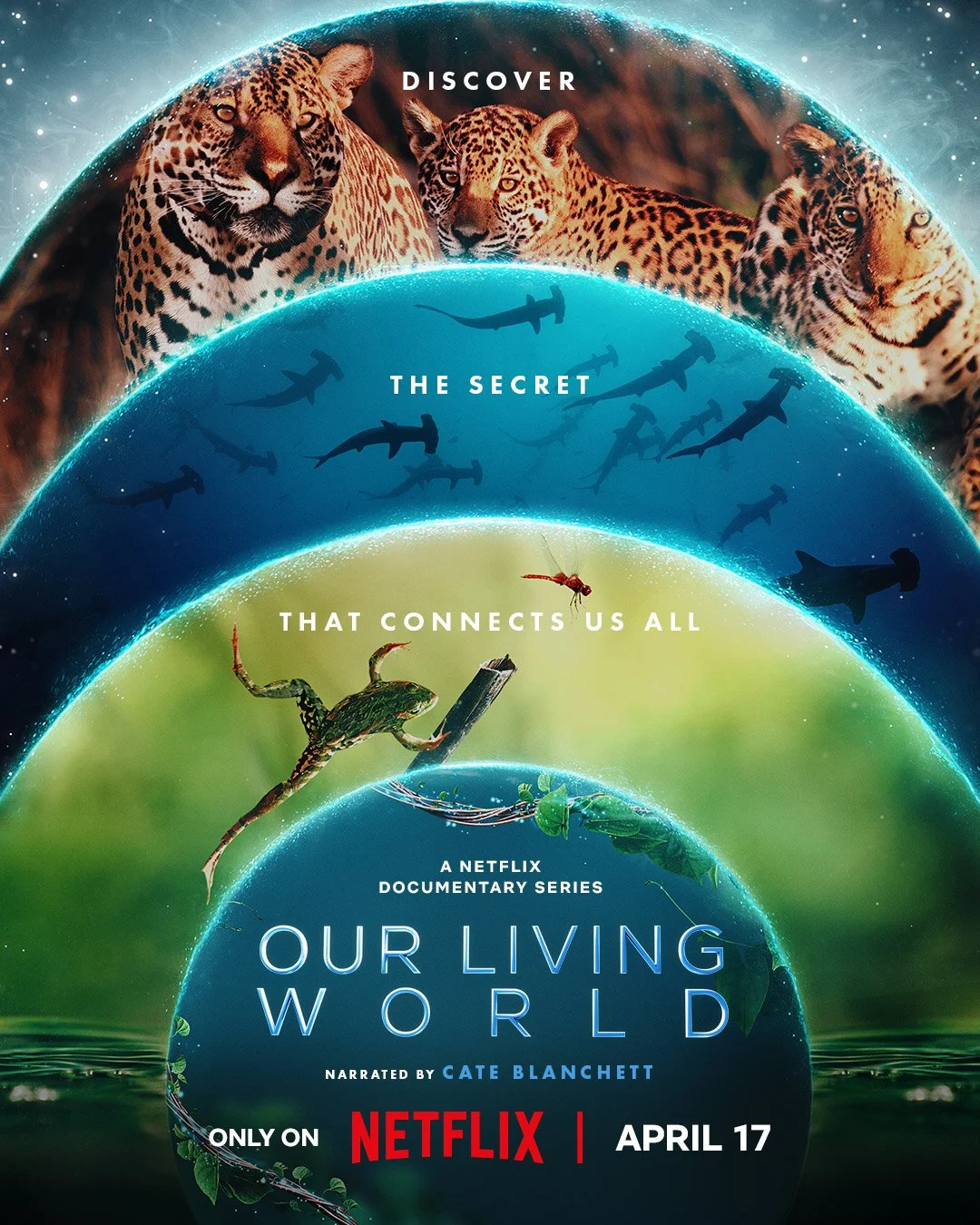
I collaborated with Wild Space Productions on a story about fiddler crabs for the Netflix documentary Our Living World. I’m currently assisting Offspring Films in gathering material for another fiddler crab story for a new BBC natural history series.
I was part of an interdisciplinary partnership between the Merz Akademie, the MPI-AB and the CASCB. Four art students created stunning science outreach projects using the data from my research on fiddler crab wave display diversity and synchrony.
Booklet by Victoria-Luise Scheible; 3D Modelling of the fiddler crab Environment “Cube“ by Isabel Kohlhagen; Virtual reality of fiddler crab burrow by Vivienne Jahn; Interactive installation of fiddler crabs wave displays diversity by Felina Russ
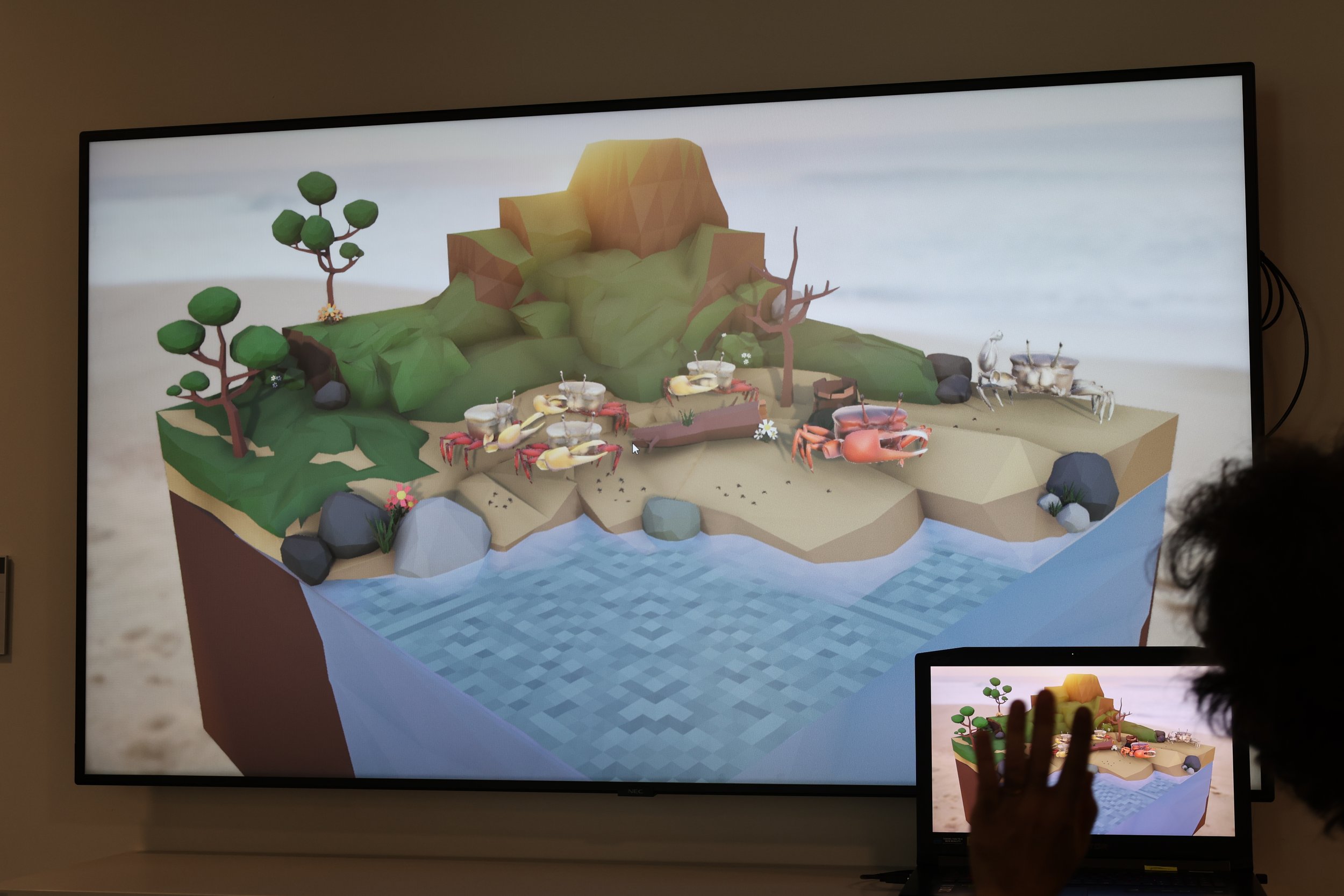
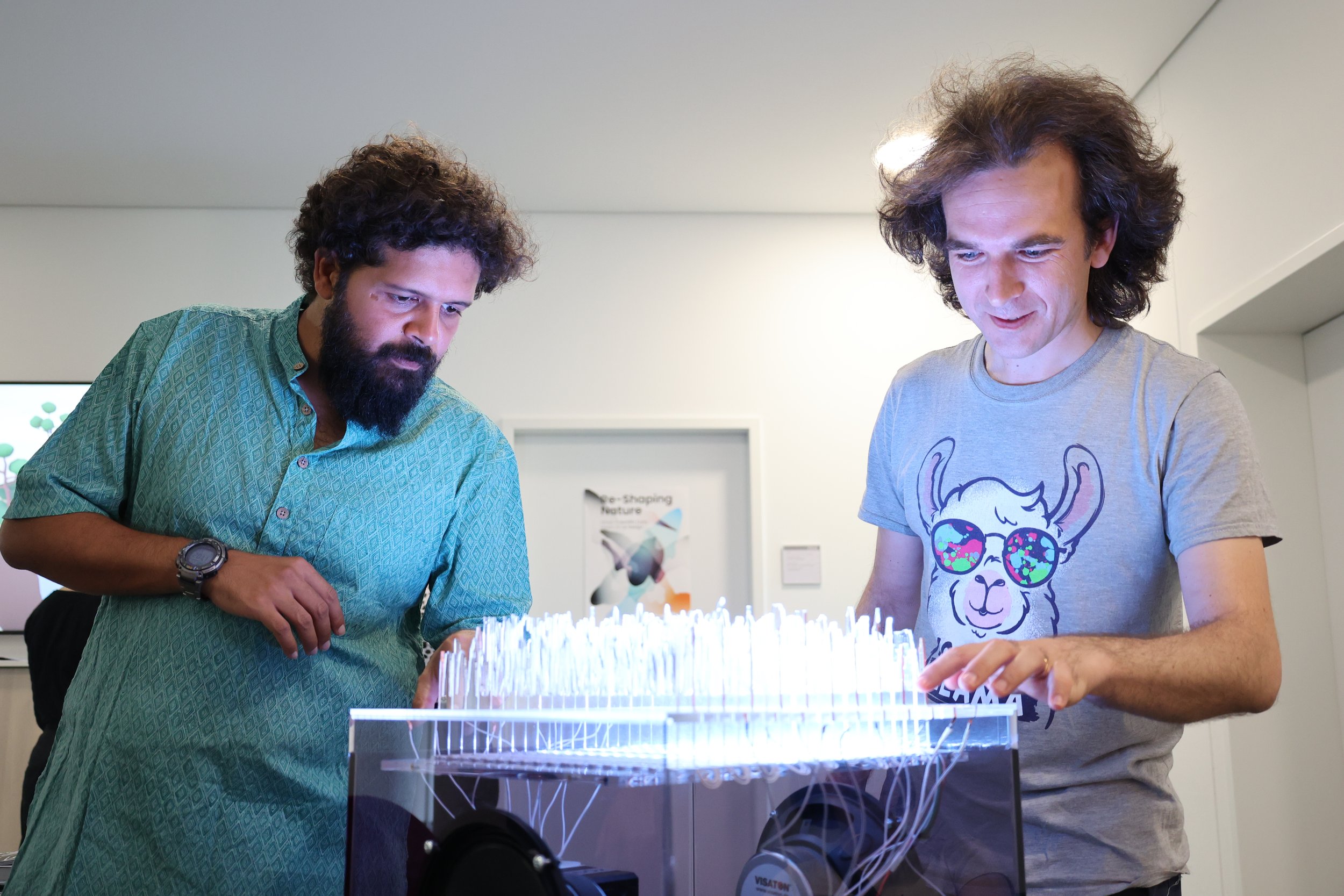
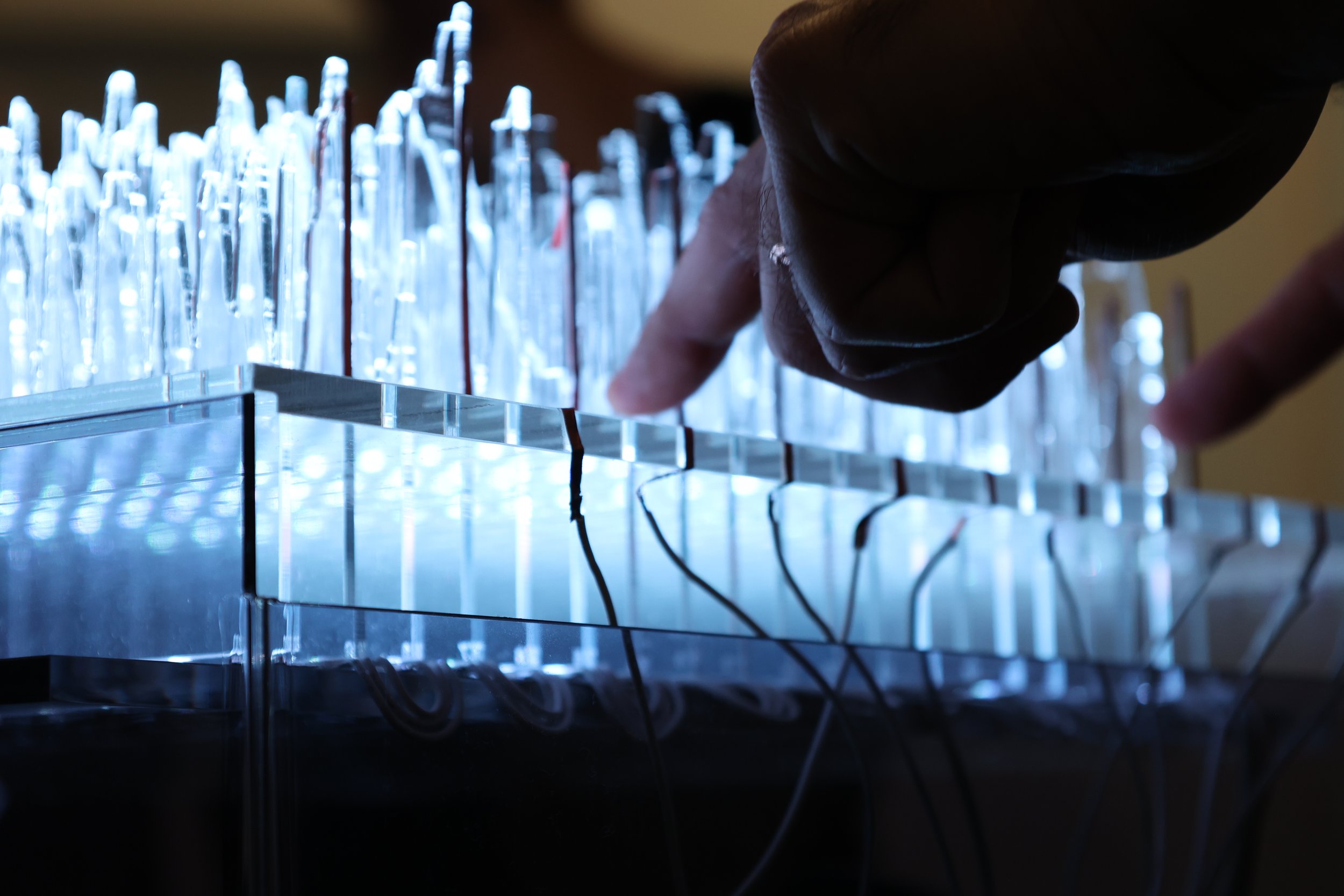
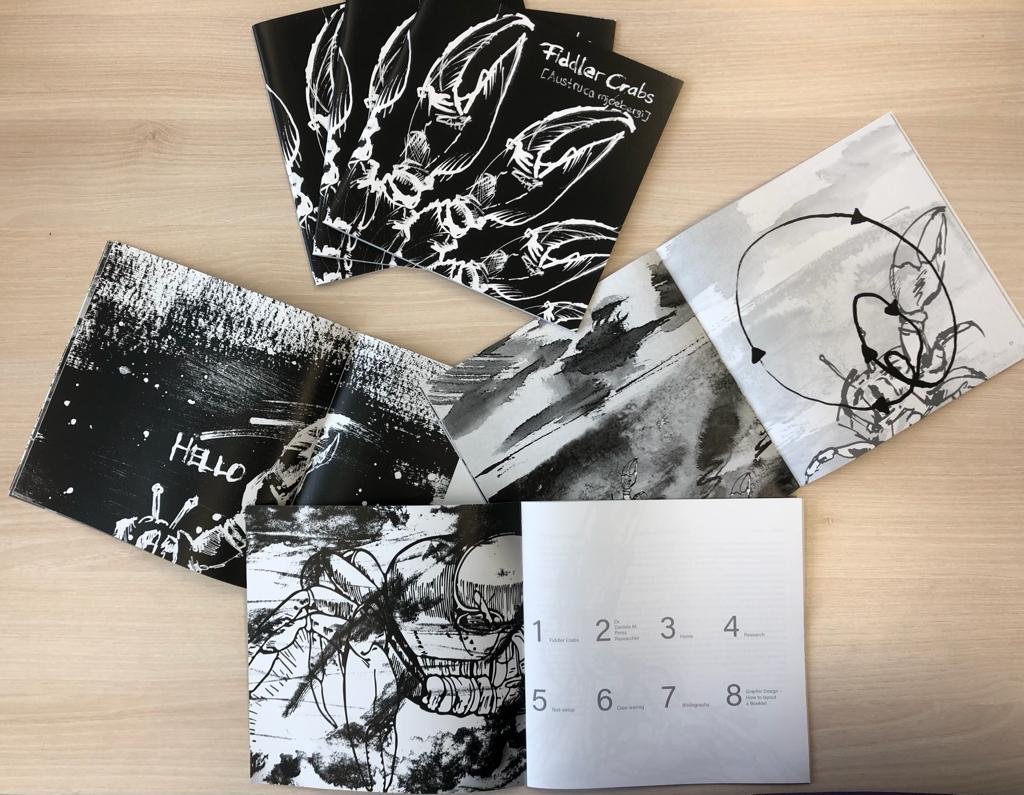
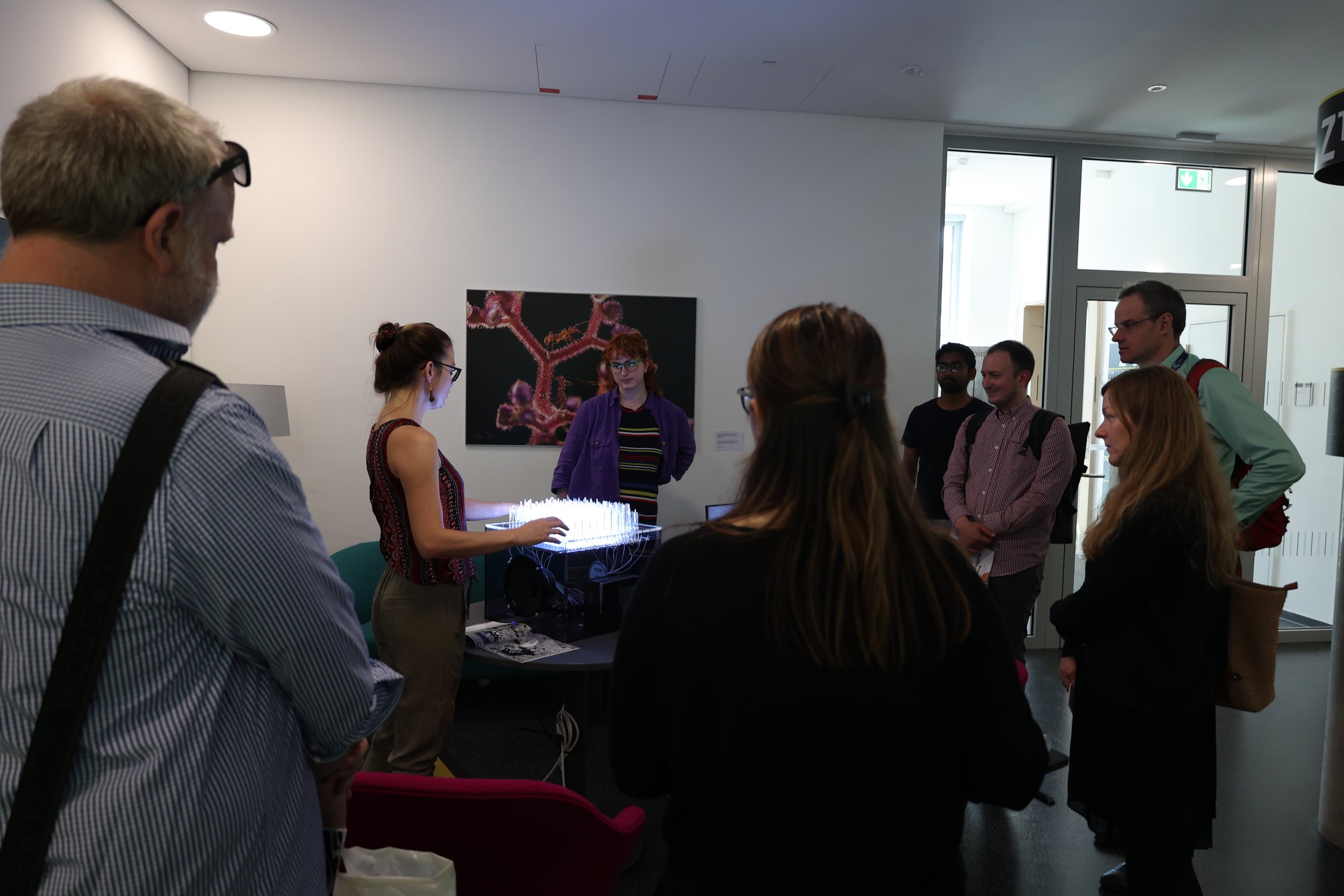
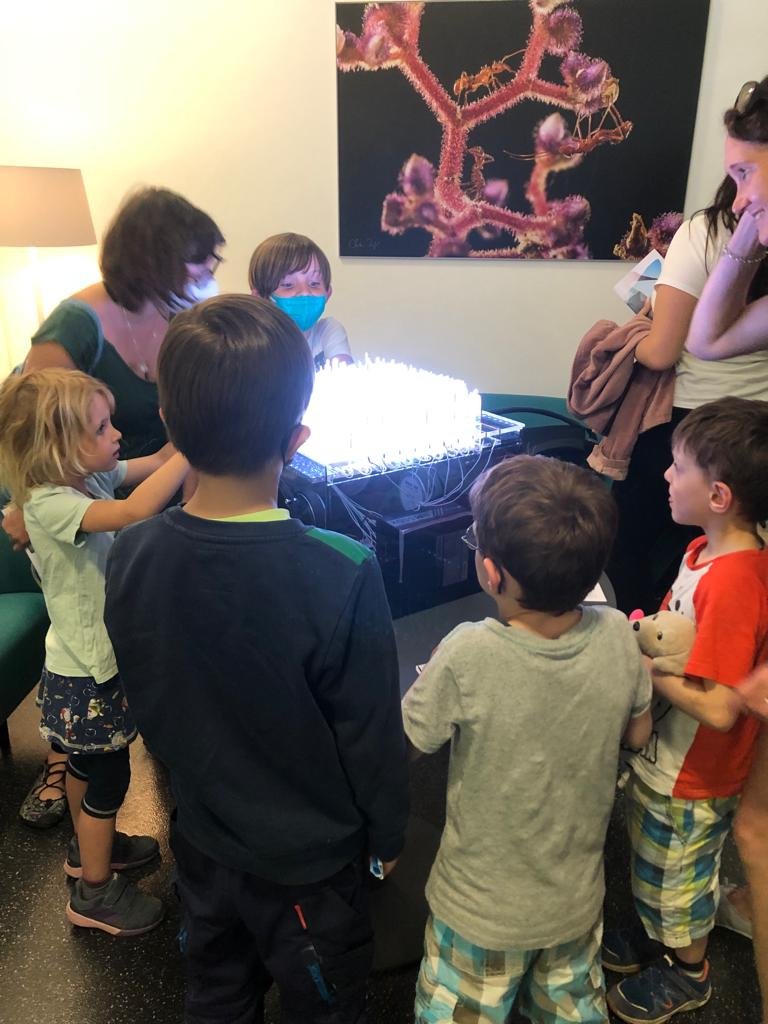
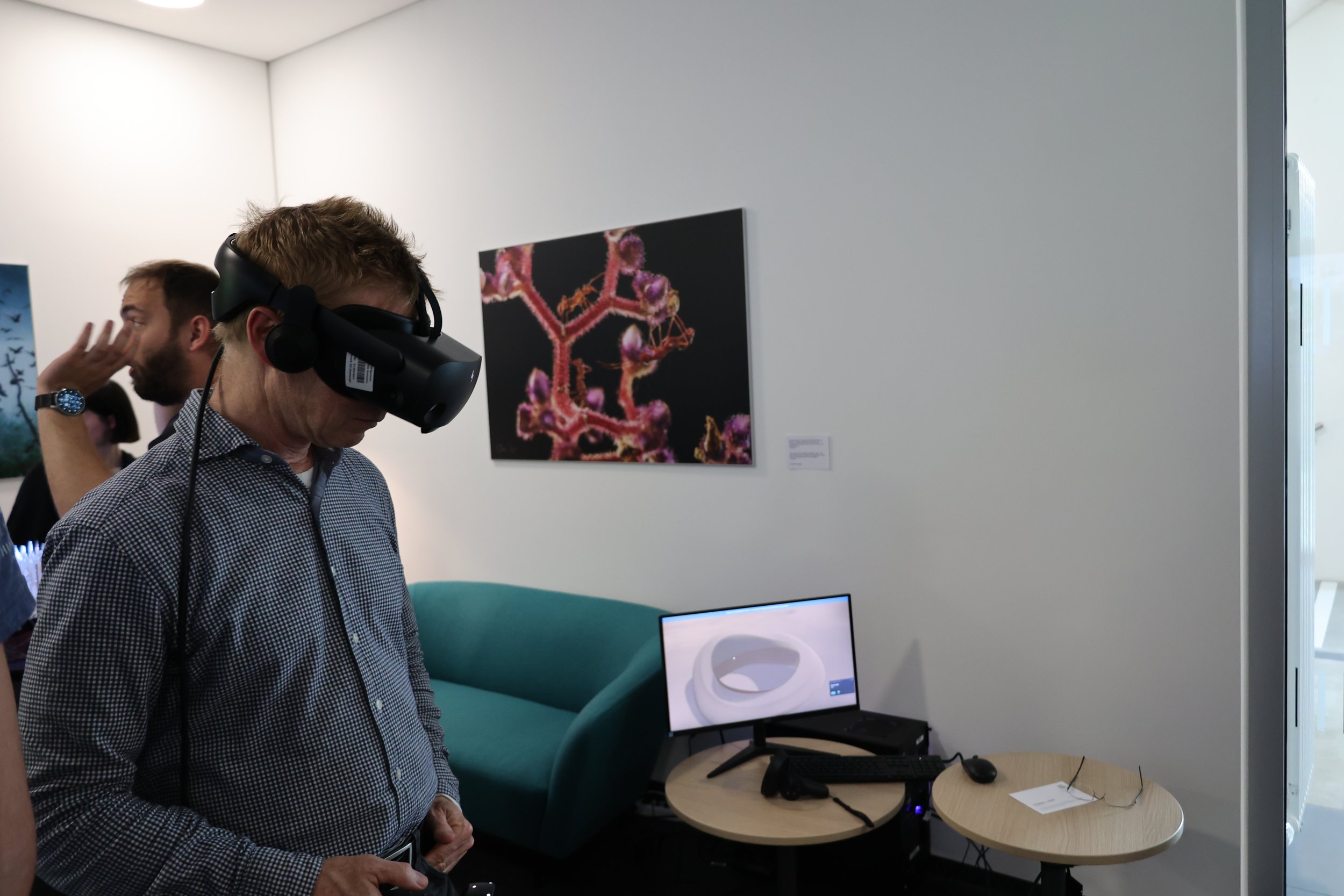
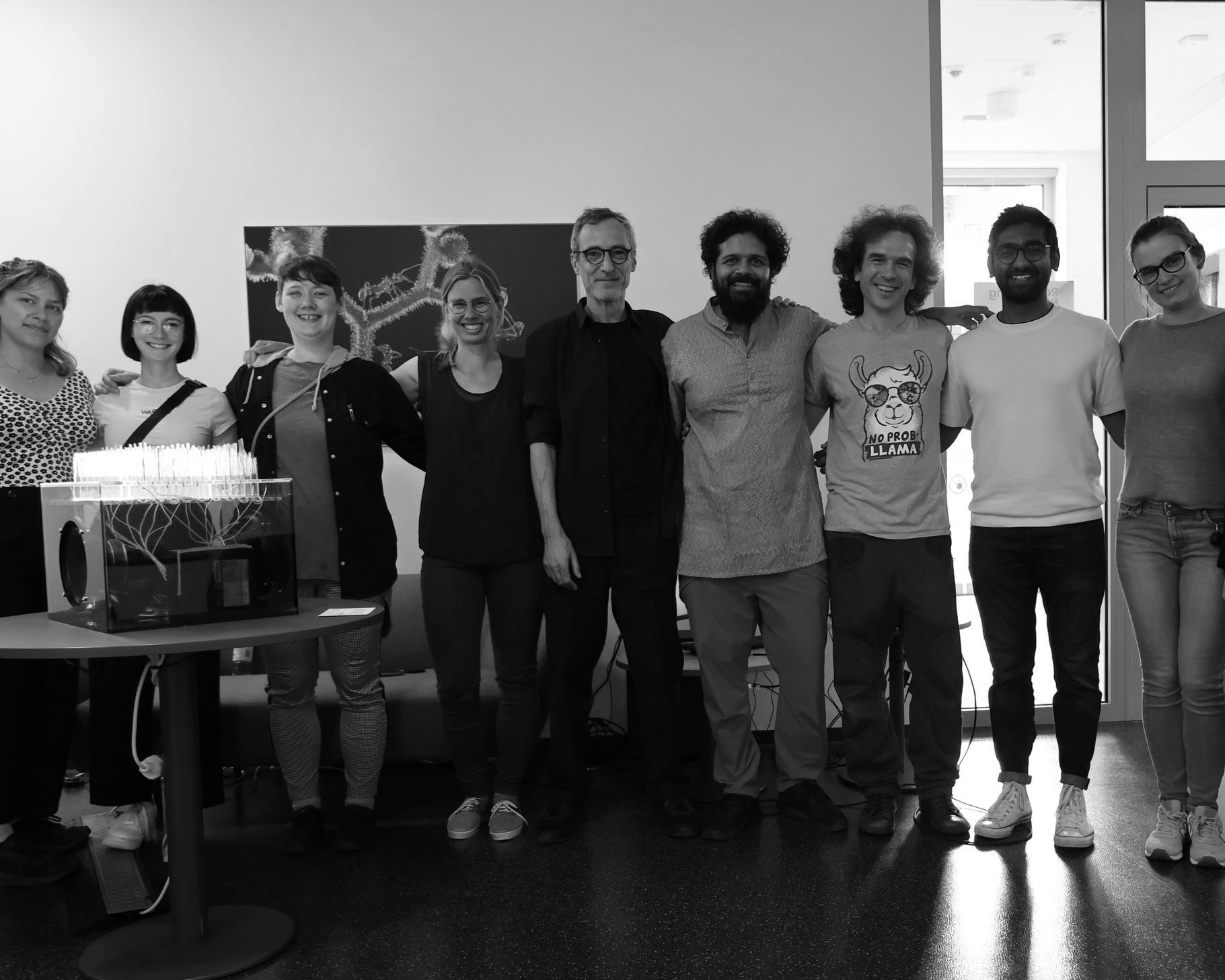
Copyright: Elisabeth Böker, CASCB, Universität Konstanz
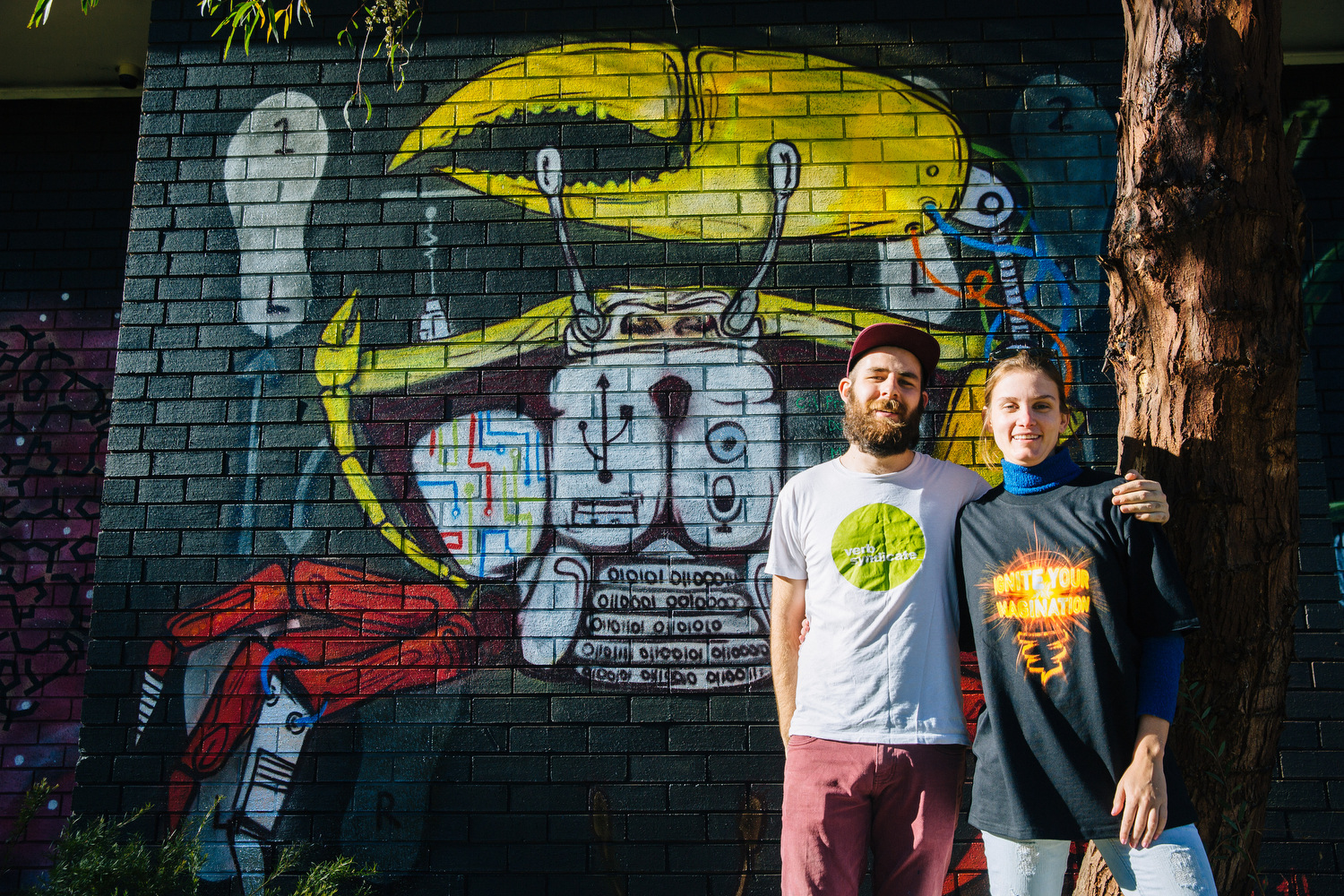
I was part of Science meets Street Art, a project to communicate scientific research through art.
It is a real challenge to talk about science with an audience that has limited knowledge of the field. Yet art can easily trigger the imagination, grab attention, instigate curiosity and, if well depicted, also communicate ideas.
The artist James Houl created this incredible and fun street art about my work using robotic crabs.


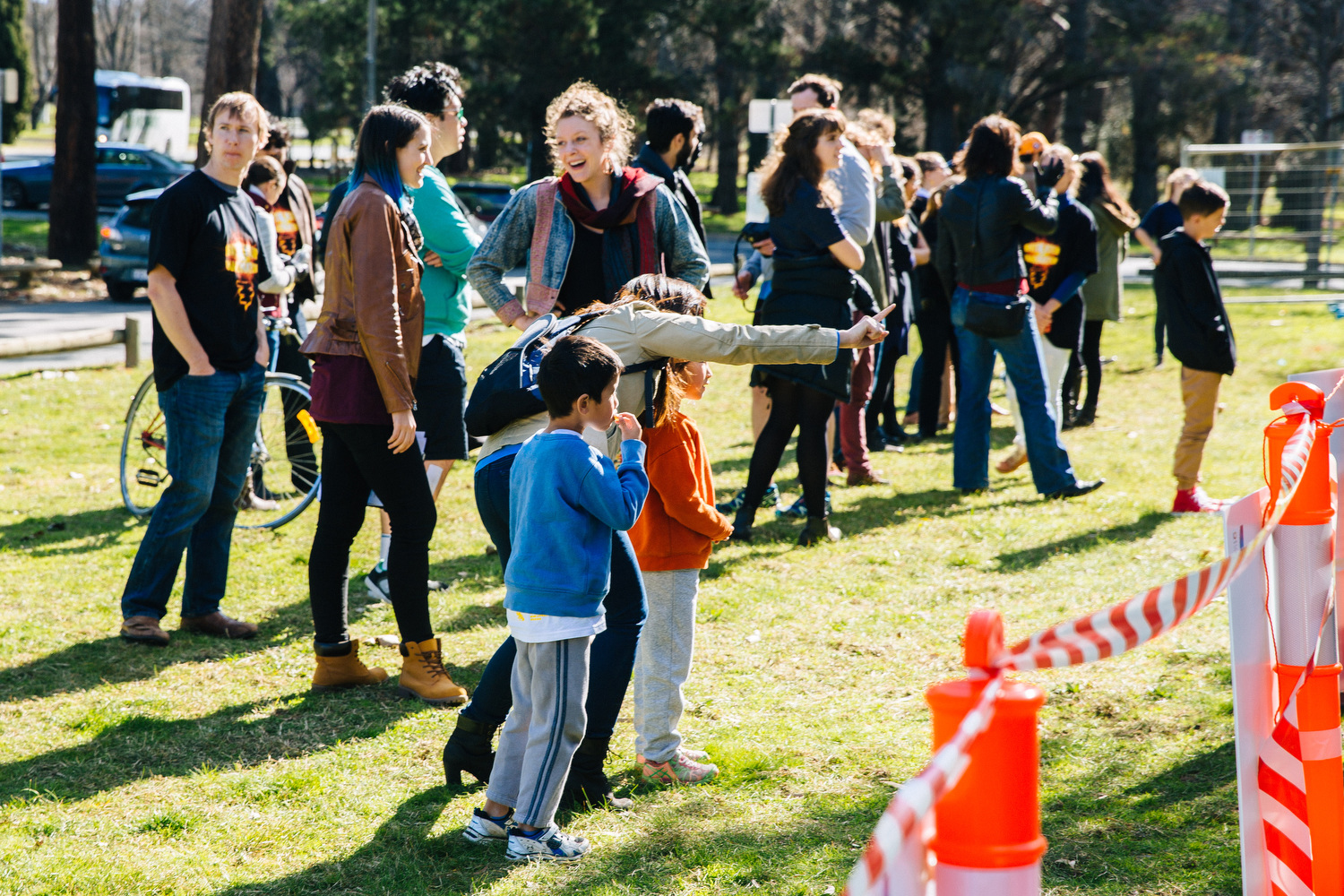

Photo credits: Andrew Sikorski
I am always open for invitations. Please drop me an email if you need any audiovisual material or if you are looking for someone to give a talk about animal behaviour and other fun animal related subjects!
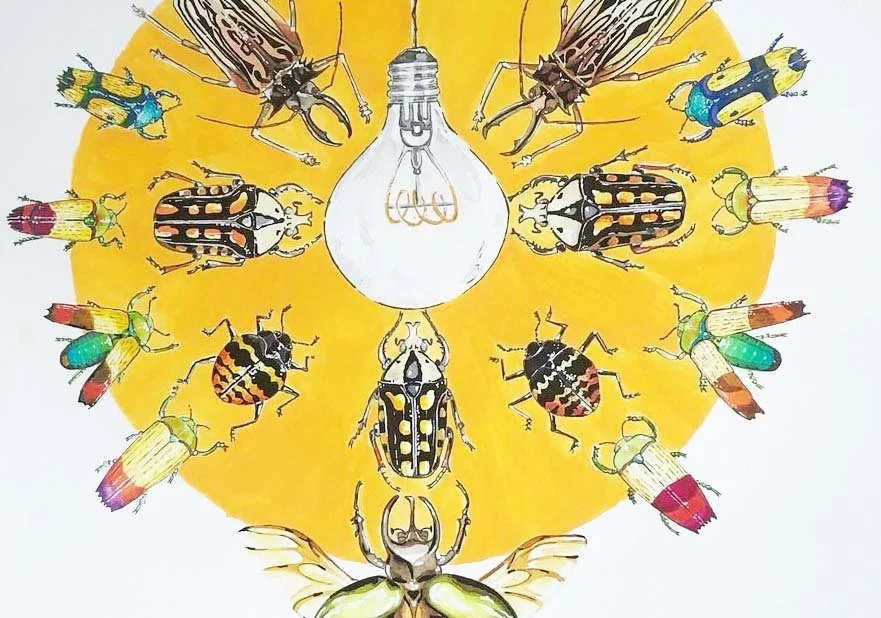
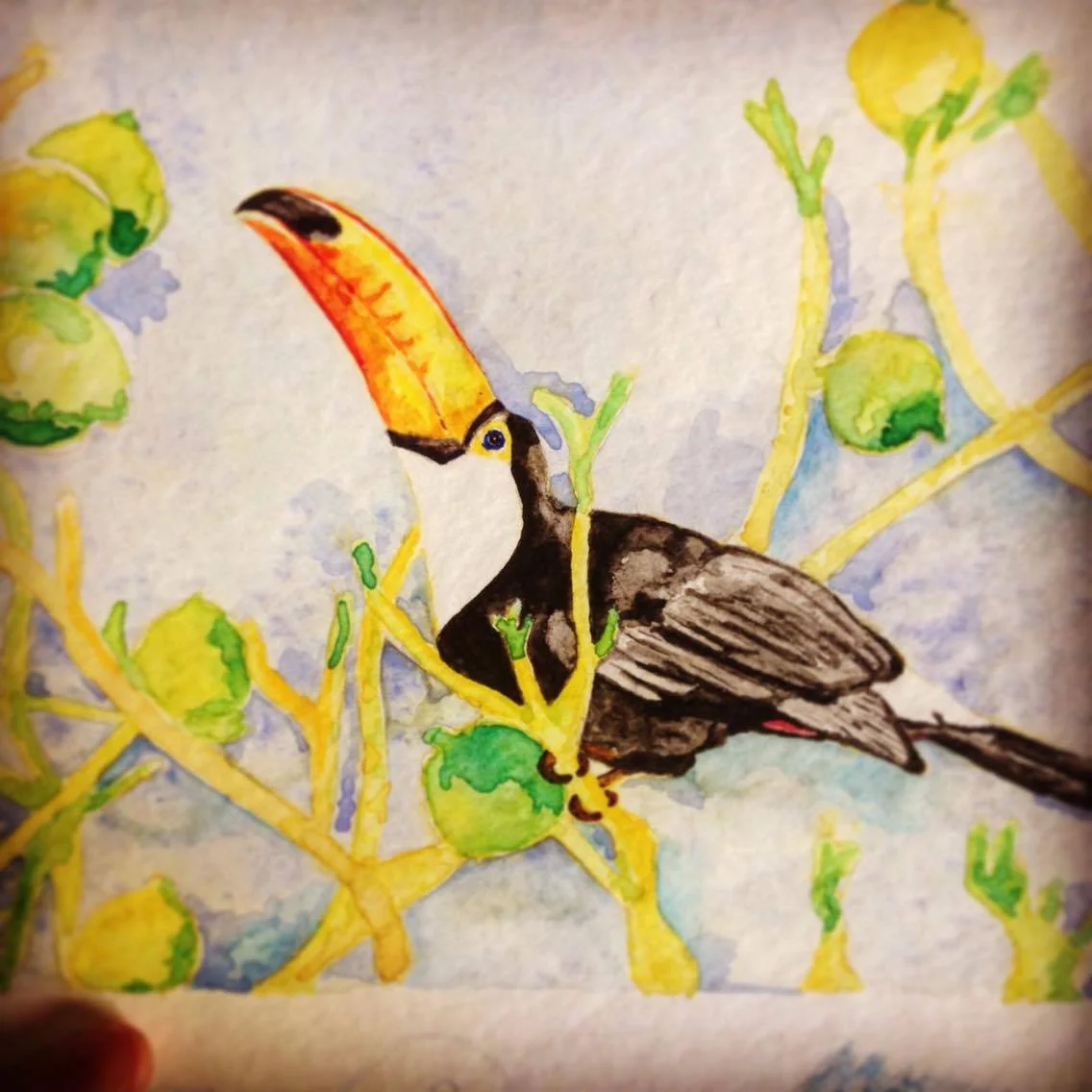
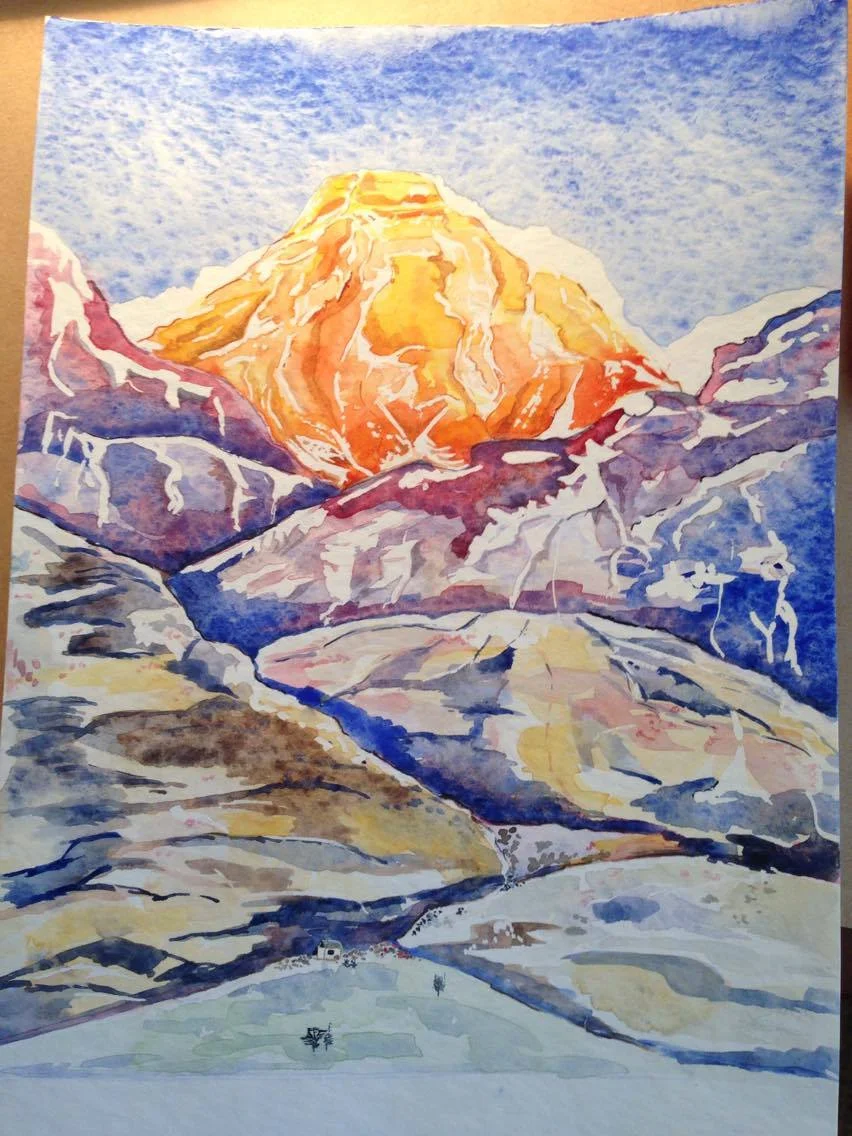
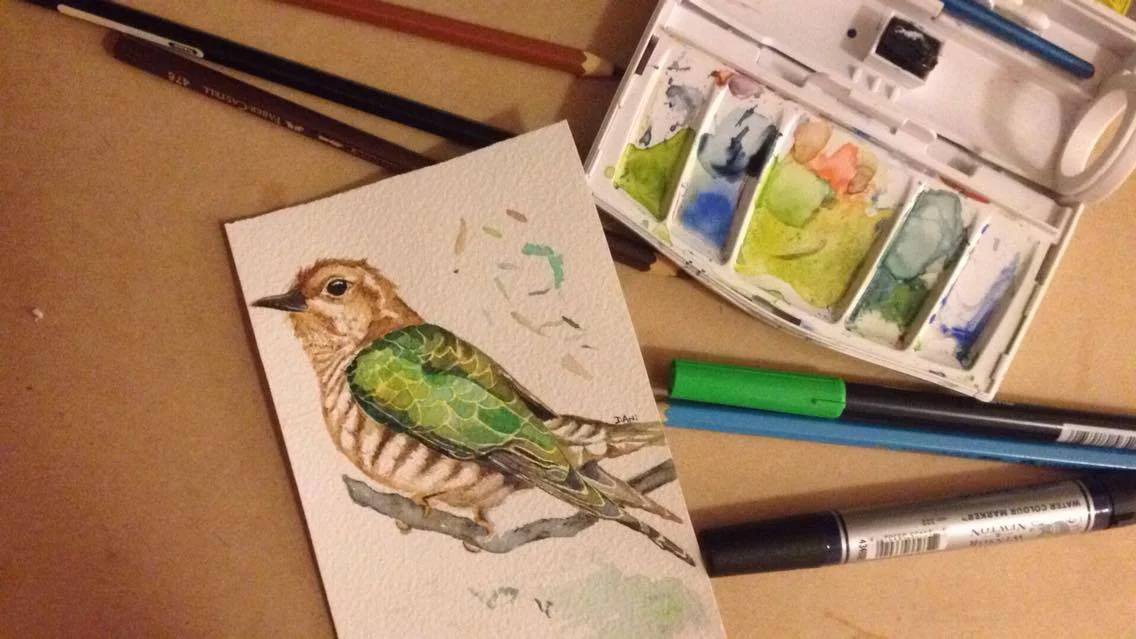
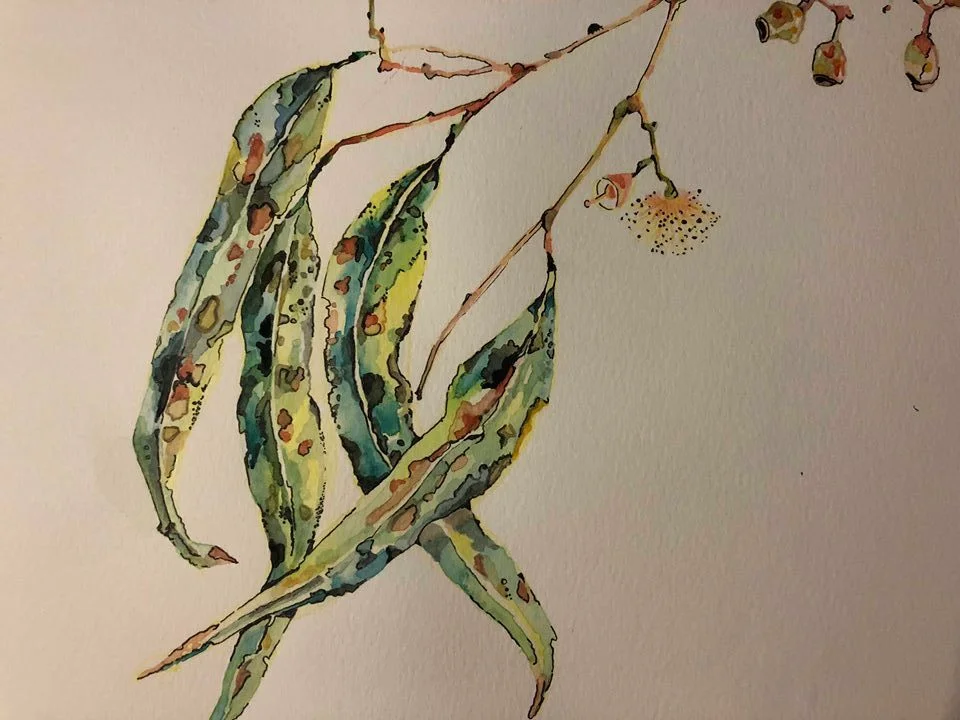
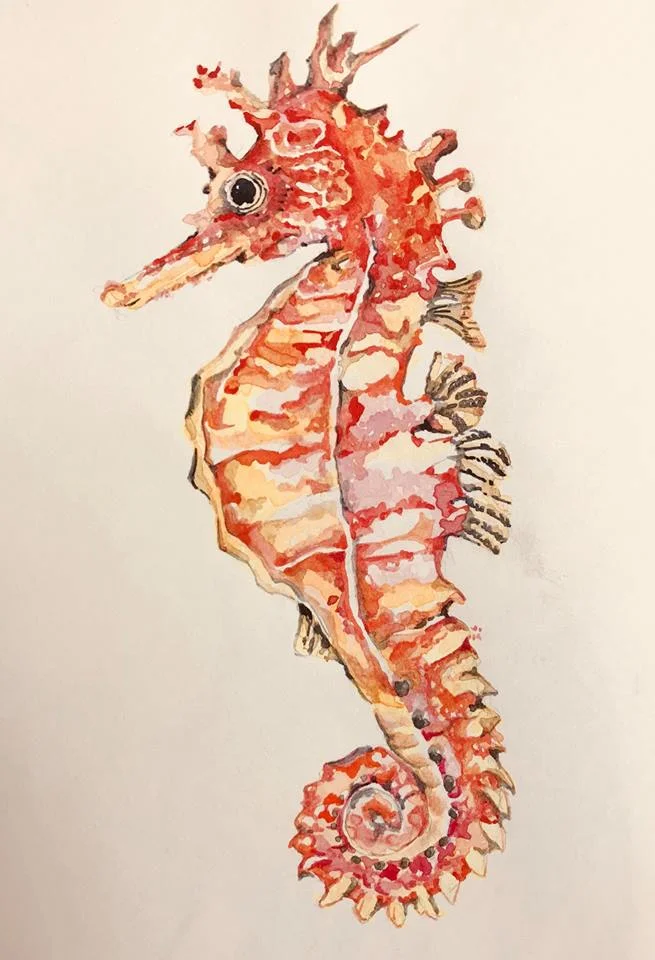
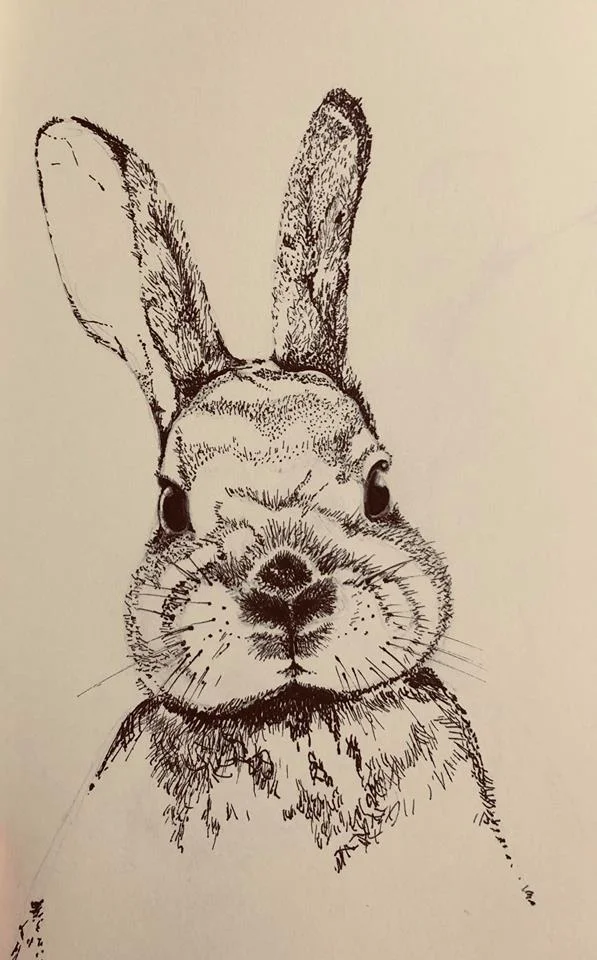
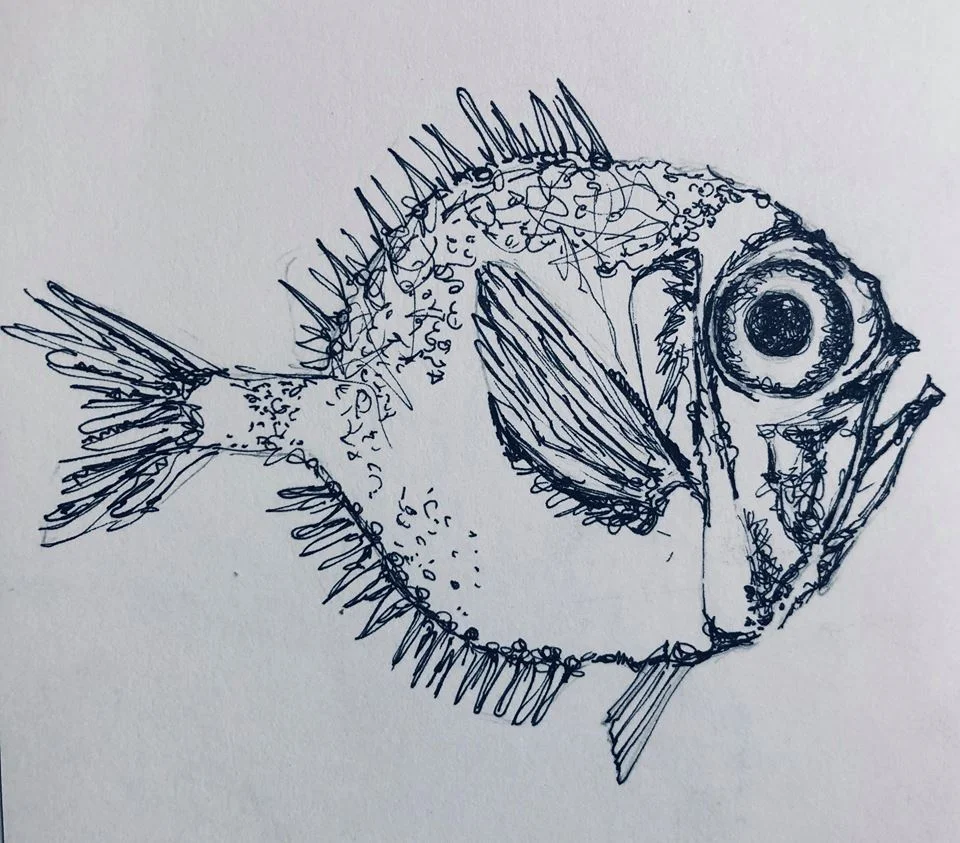
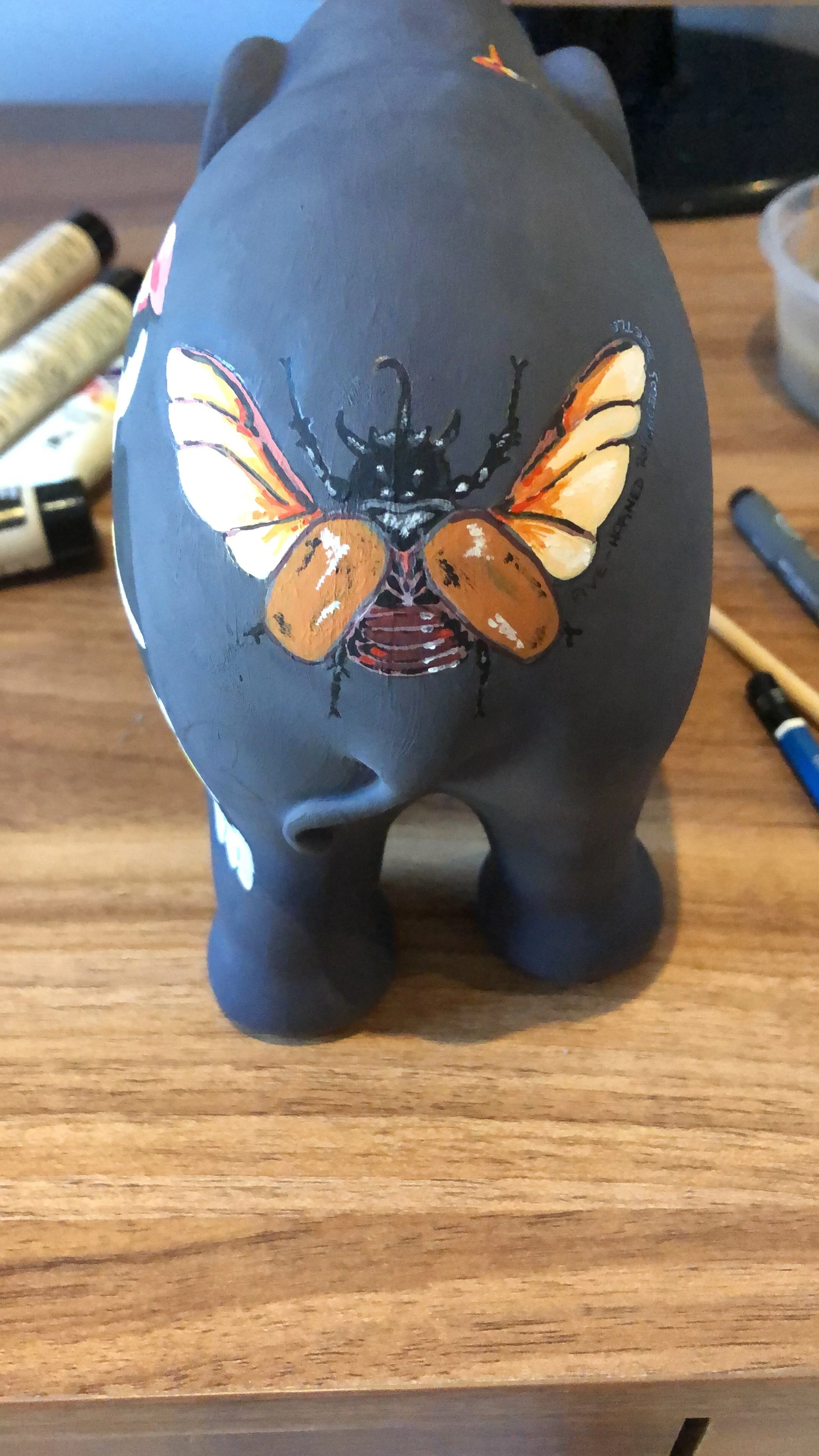
I’m passionate about making science visible and accessible through art. As an artist inspired by science, I’ve worked on projects ranging from research institute banners to PhD thesis covers and scientific illustrations. I am always looking for more projects to take on and I plan to expand to street art.
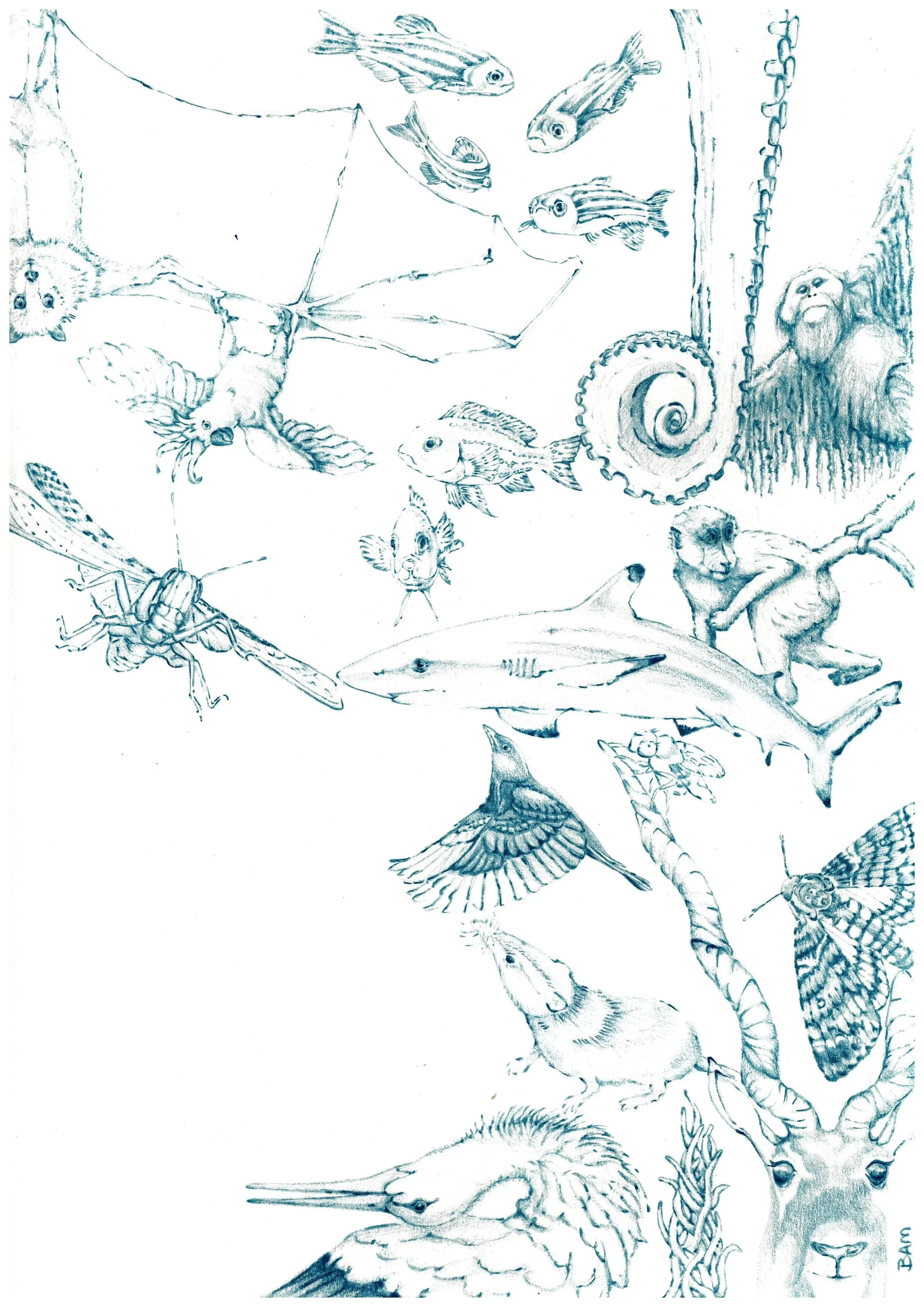
Artwork commissioned by the Max Planck Institute of Animal Behavior, featuring species studied at the institute.
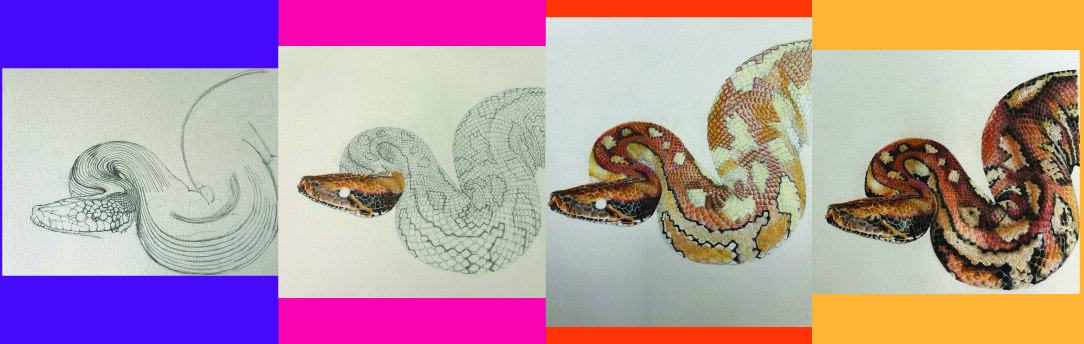

Pythons for Damien Esquerré’s PhD thesis
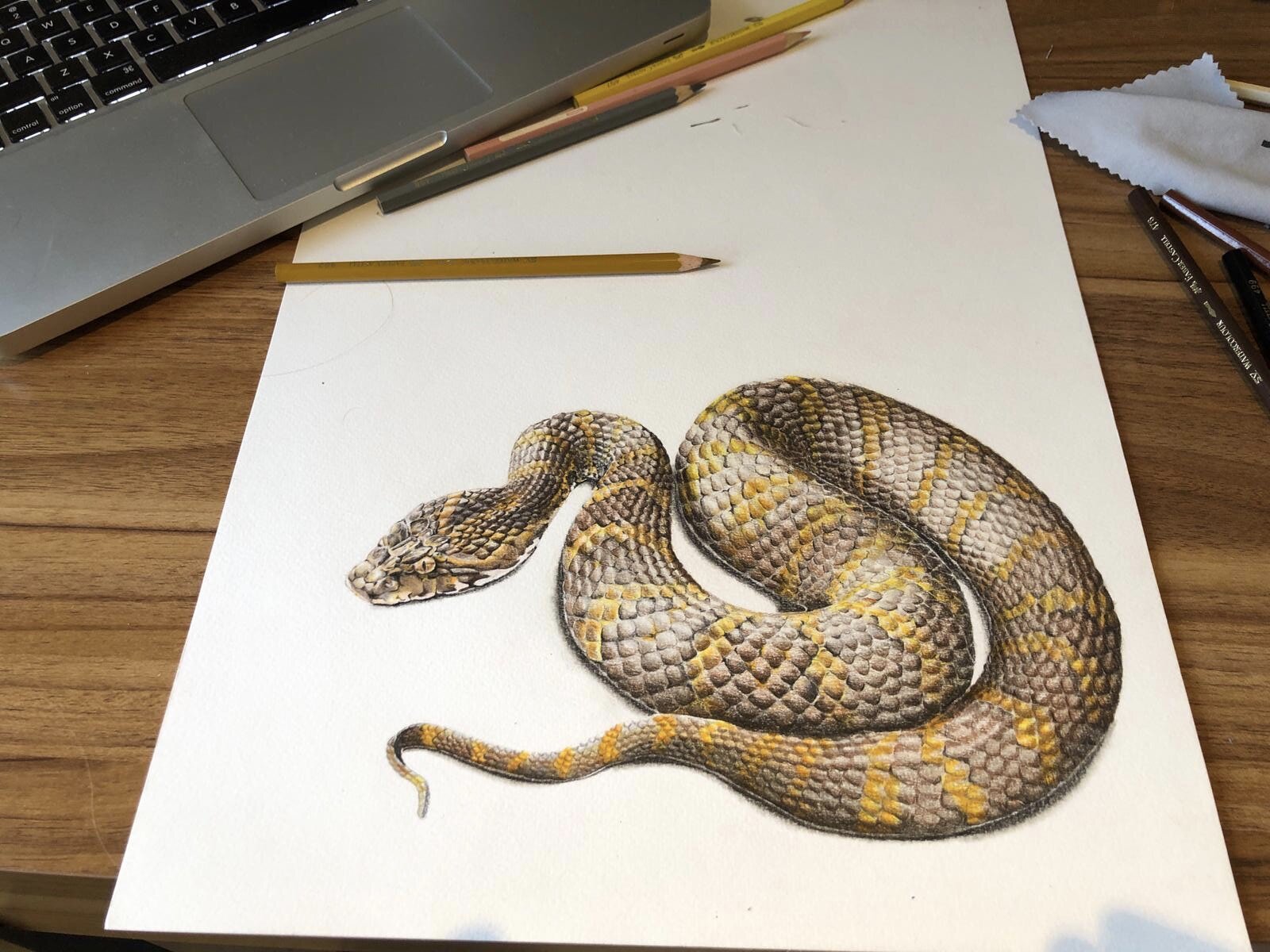
Commissioned work. Death adder

Scutelleridae bugs. Commissioned work for paper illustrations.

Choughs for Constanza Leon’s PhD thesis
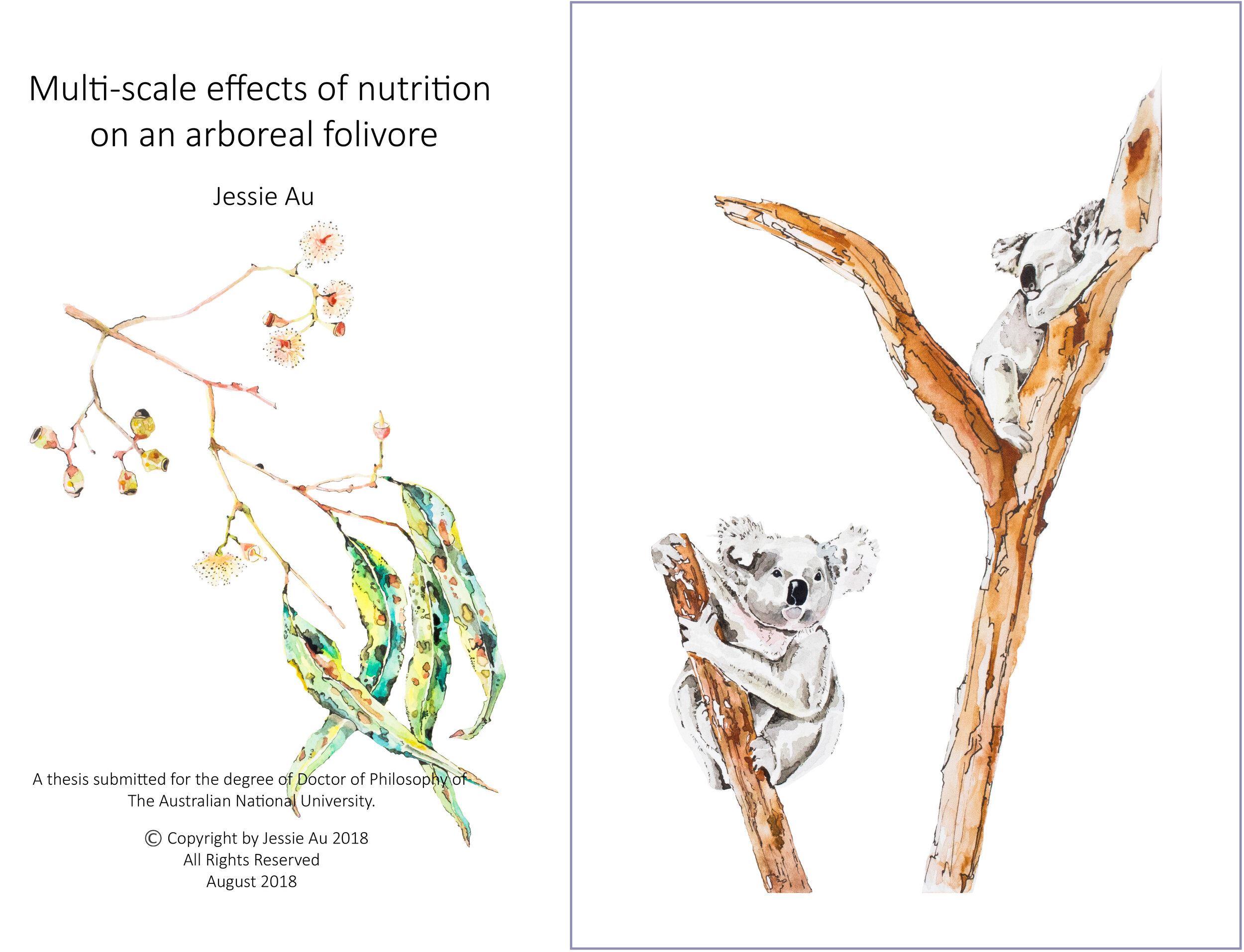
Koalas and eucalyptus leaves for Jessie Au’s PhD thesis




Please see our privacy police using the link: https://www.termsfeed.com/live/5d4bc21c-48ed-4bb8-87e0-913415170f80